Deep dives into the numbers, physics, and stories that shape global aviation. Every guide includes interactive map links to explore the concepts yourself.

Singapore Airlines SQ23 and SQ24 cover 8,288 nautical miles nonstop - and the only reason it works is a 17% fuel capacity increase and a cabin with no economy class.
Fuel reserves, tech stops, engine failures, and why high-altitude airports change the entire calculation.
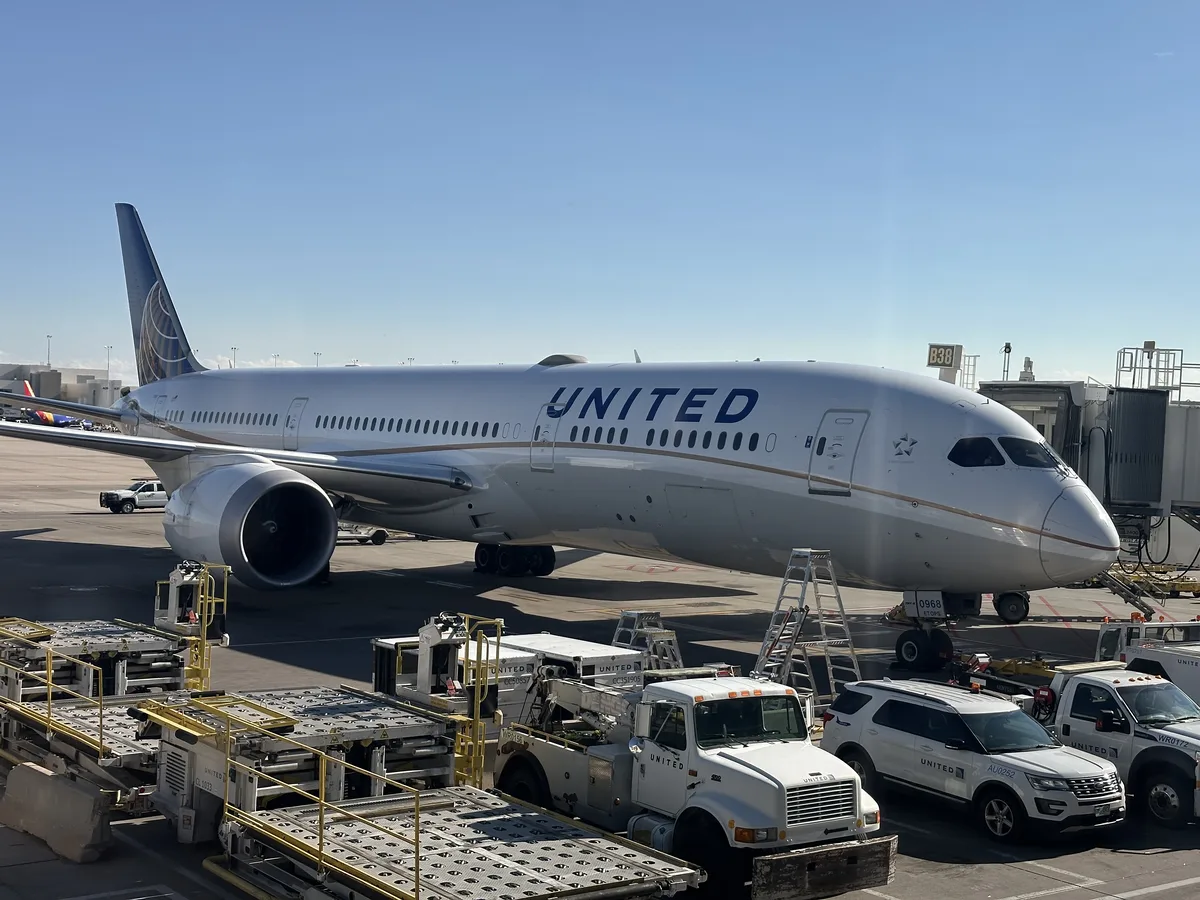
You bought from United. The boarding pass says Lufthansa. The airport screens hide the United number entirely. Here is what is actually happening — and why the operating carrier always wins.
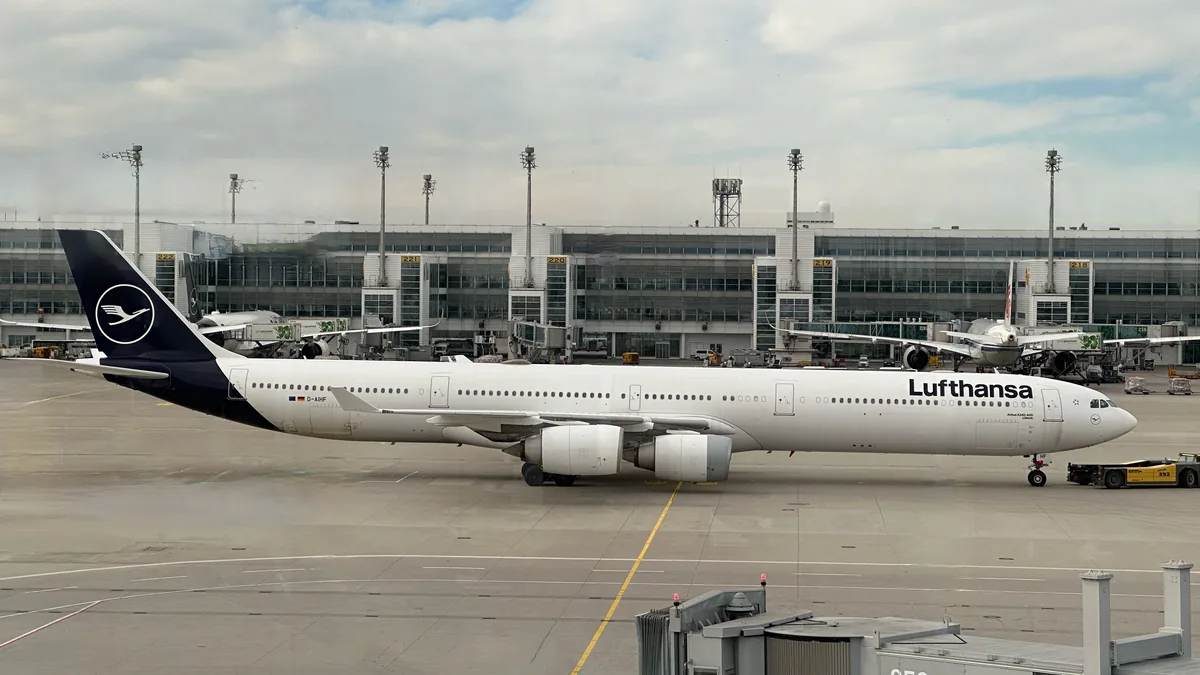
The barcode on your bag tag is a tiny operational system in its own right. Here is how it routes your suitcase from a Denver-to-Newark United flight onto a Newark-to-Frankfurt Lufthansa flight without anyone touching a keyboard between them.

Discover the unique runway, taxiway, and "Code F" infrastructure requirements that strictly limit the Airbus A380 to specific mega-hub airports.

Flight planning is what dispatchers do for one specific flight on one specific day. Flight range is what's physically possible - and that's what PlaneRange shows.

Learn how "Density Altitude" at high-elevation airports like Denver or Bogota affects engine thrust and wing lift, requiring extreme runway lengths.

Behind the scenes of aviation safety: the strict legal requirements for 'reserve fuel' that ensure a plane never runs out of gas.

Icelandair built one of the world's most flexible hub operations by exploiting a secret of the Boeing 757 and Boeing 767: they share the same pilot type rating.
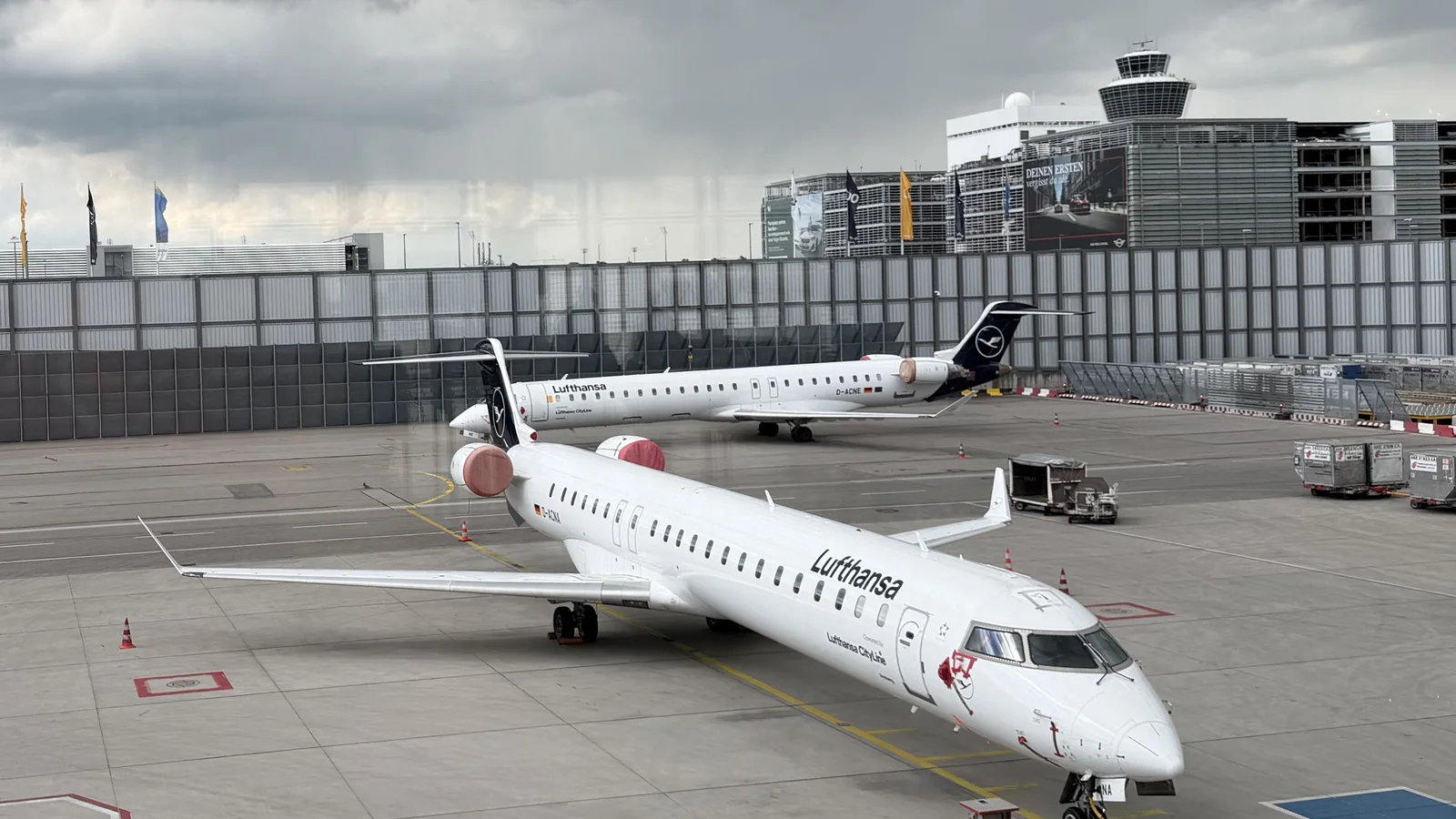
Lufthansa grounded all 27 CityLine CRJ-900s on 18 April 2026, two years early. The fuel math explains it - but not in the way most coverage suggested. The problem was never the engines. It was the seat count.

Understand the engineering, ETOPS regulations, and the "Driftdown" procedure pilots use if a twin-engine jet loses power mid-flight.

Why some long-haul flights land halfway to their destination, and how headwinds can force a surprise visit to a remote airport like Gander or Cold Lake.

Discover why Gander and Shannon remain critical "crossroads of the Atlantic" for aircraft with limited range, ferry flights, and weather diversions.
Why a 757 has no real replacement, what Concorde’s fuel burn really cost, and the airline-by-airline choices behind the fleets you see at gates.

The FAA approved an Increased Maximum Takeoff Weight for the 787-9 and 787-10 in March 2026. Boeing added no fuel tanks and no new wings. The airframes were over-engineered enough to carry more weight than they were certified for.

Analyzing Alaska Airlines' shift from a traditional narrowbody fleet to long-haul operations with the Boeing 787-9 Dreamliner.

The Airbus A321XLR beats the Boeing 757 on range - but Boeing’s legendary narrowbody had a superpower no aircraft since has matched: carrying a full load from short runways at altitude.
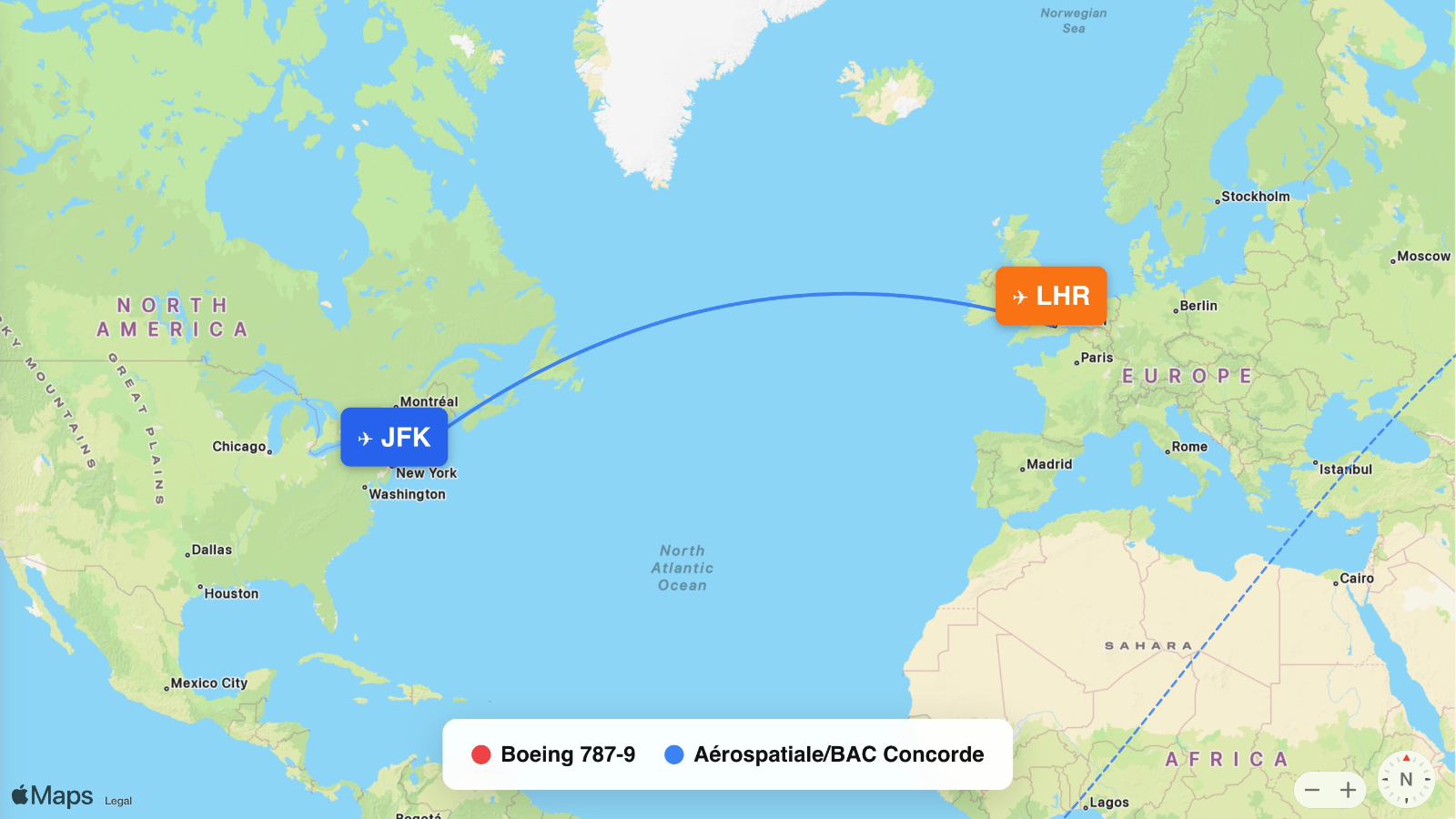
Concorde burned 5,600 gallons of Jet-A per hour to carry 100 passengers across the Atlantic. The Boeing 787-9 burns 1,400 gallons per hour for 296. Run the numbers on New York to London and it gets considerably worse.
Ultra-long-haul, thin transatlantic, island hops, and airline decisions that only make sense once you see the numbers.

Explore the technical differences between Boeing 737 variants and why the original Boeing 737-900 struggled with long routes while the smaller -800 excelled.

Analyzing Alaska Airlines' new transatlantic flights from Seattle to London and beyond using the Boeing 787-9.

How the Boeing 787-9 enables Alaska Airlines to connect Seattle directly to Tokyo and expand its Pacific presence.

The Pacific crossing from Hawaii to California is the ultimate test for narrowbody aircraft. We analyze why the 737 needs specialized certification for this route.

Explore the range capabilities of the Boeing 737 MAX on transatlantic routes, ETOPS-180 requirements, and how narrowbody economics are reshaping oceanic crossings.

A breakdown of the range capabilities of business jets, from heavy ultra-long-range Gulfstreams to light jets that rely on island-hopping tech stops.

Why JetBlue is systematically upgrading its premium transcontinental routes from the classic A321-200 to the A321neo, culminating in the shift on San Diego flights.

How JetBlue took Norwegian Air Shuttle's profitable narrowbody transatlantic model and scaled it up using the Airbus A321neo-LR out of Boston.

Qantas aims to connect Sydney with London and New York nonstop using specialized Airbus A350-1000s. We analyze the technical challenges of these ultra-long flights.

Explore how aircraft like the Bombardier Challenger 3500 and Embraer Praetor 600 are blurring the lines between regional business travel and trans-continental reach.

Dublin is 236 nautical miles closer to New York than London, hosts the only US Customs pre-clearance facility on mainland Europe, and is the anchor for the fastest-growing strategy in transatlantic aviation.

Icelandair flew Boeing 757s for decades. When Boeing discontinued the 757, Airbus stepped in with the Airbus A321LR - and it fits Icelandair’s thin transatlantic mission better than anything Boeing sells today.

Explore why routes like Tokyo to Osaka or Hong Kong to Taipei are flown by Boeing 777s and Airbus A350s instead of smaller narrowbody planes.

Explore the geographical limits of the Earth, the concept of antipodes, and why the 9,900-nautical-mile flight from London to Auckland remains physically impossible for modern airliners.

Understand the math behind geodesic routing, why the shortest path between New York and Asia goes over the Arctic, and the unique challenges of polar flights.

Bumped bags and offloaded passengers on A321LR and A321XLR transatlantic routes aren't overbooking - they're physics. Westbound headwinds push these narrowbodies to the edge of their range.
Novelty rides through the dataset — fictional airframes, absurd scenarios, and what happens when the range math is taken too far.
The fundamentals: payload trade-offs, fuel weight, aerodynamics, and why going faster doesn’t mean going farther.

A look at the massive energy density gap between jet fuel and batteries, and what it means for the future of short-haul regional flights.

Explore the hidden differences between aircraft variants and how selecting a specific engine manufacturer can change a plane's efficiency by 2-3%.

The Boeing 777-200LR can fly 11,500 nm empty or 7,500 nm full - a 4,000 nm gap that explains why some routes exist only at reduced loads.

Learn about the vertical tips at the end of airplane wings and how they reduce induced drag to save fuel and extend flight range.

Explain what happens when airlines have to bump passengers or bags off a flight due to Maximum Takeoff Weight (MTOW) and runway limitations.

The Boeing 777-200LR flying Dubai to Los Angeles carries fuel for 8,300 nm - but its max payload range is only 7,500 nm. Those extra 800 nm come at a direct cost in passengers.

Explore the aerodynamic concept of wave drag, the speed of sound, and why commercial airlines abandoned supersonic flight for fuel efficiency.
Jet streams, heat, volcanic ash — the environment is always pushing back.

A 100-knot headwind on a 490-knot jet doesn't just slow it down — it physically cuts how far the aircraft can reach. Here's the math that explains why the range ring shrinks.

Explore how high temperatures thin the air, reducing engine thrust and wing lift, and why some flights are delayed until the evening during summer heatwaves.

Learn why volcanic eruptions can shut down entire oceanic corridors and the impact of massive reroutings on aircraft fuel planning and range.

Discover why the path between Europe and North America moves every day and how pilots 'surf' the Jet Stream to save fuel and time.
New routes pushed to their limits, new aircraft, and features as they land.