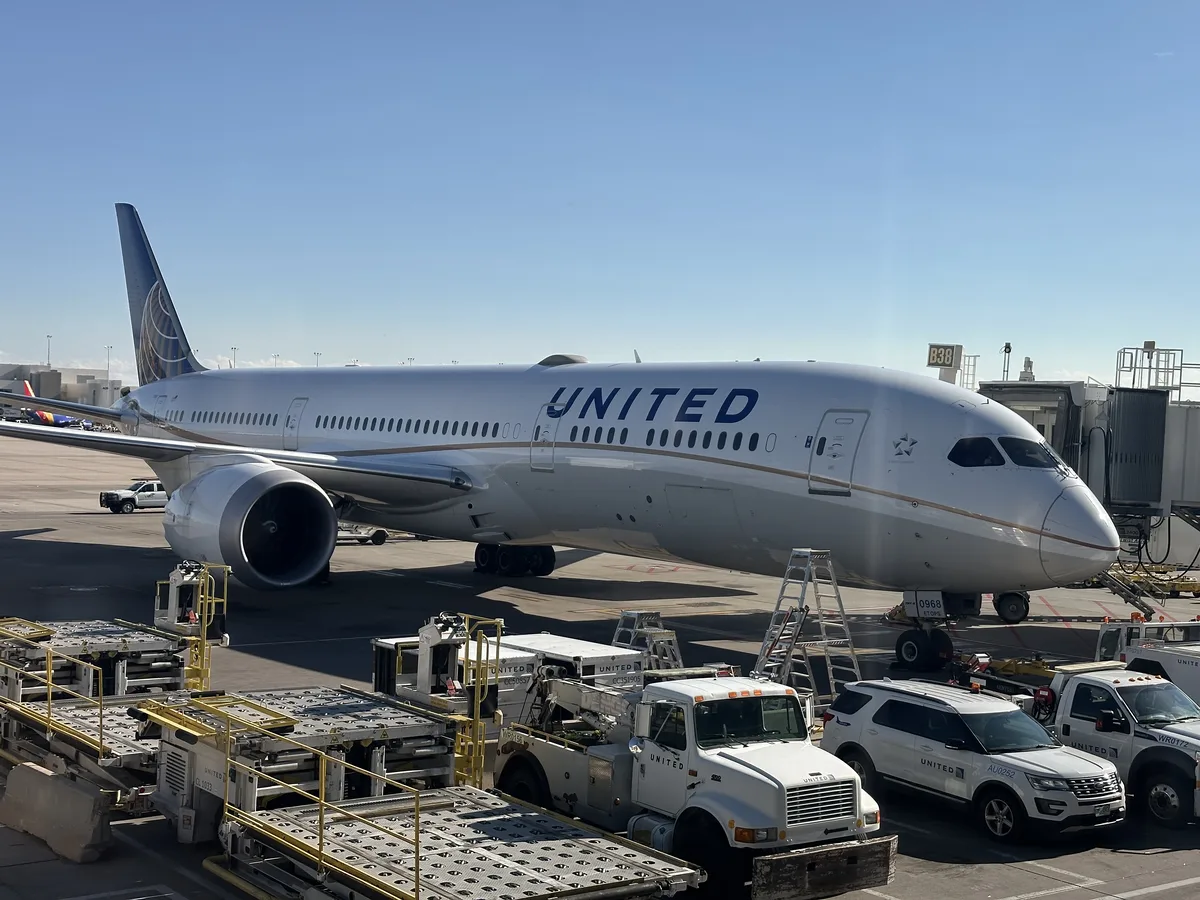
You booked a flight on united.com. The receipt says UA 8861. Then you open the airport app and the screens show LH 400. The United app quietly hides the United number entirely. Check-in only works on the Lufthansa website. If you have ever wondered what is going on, the answer is codesharing, and it explains a surprising amount about how the modern airline network actually works.
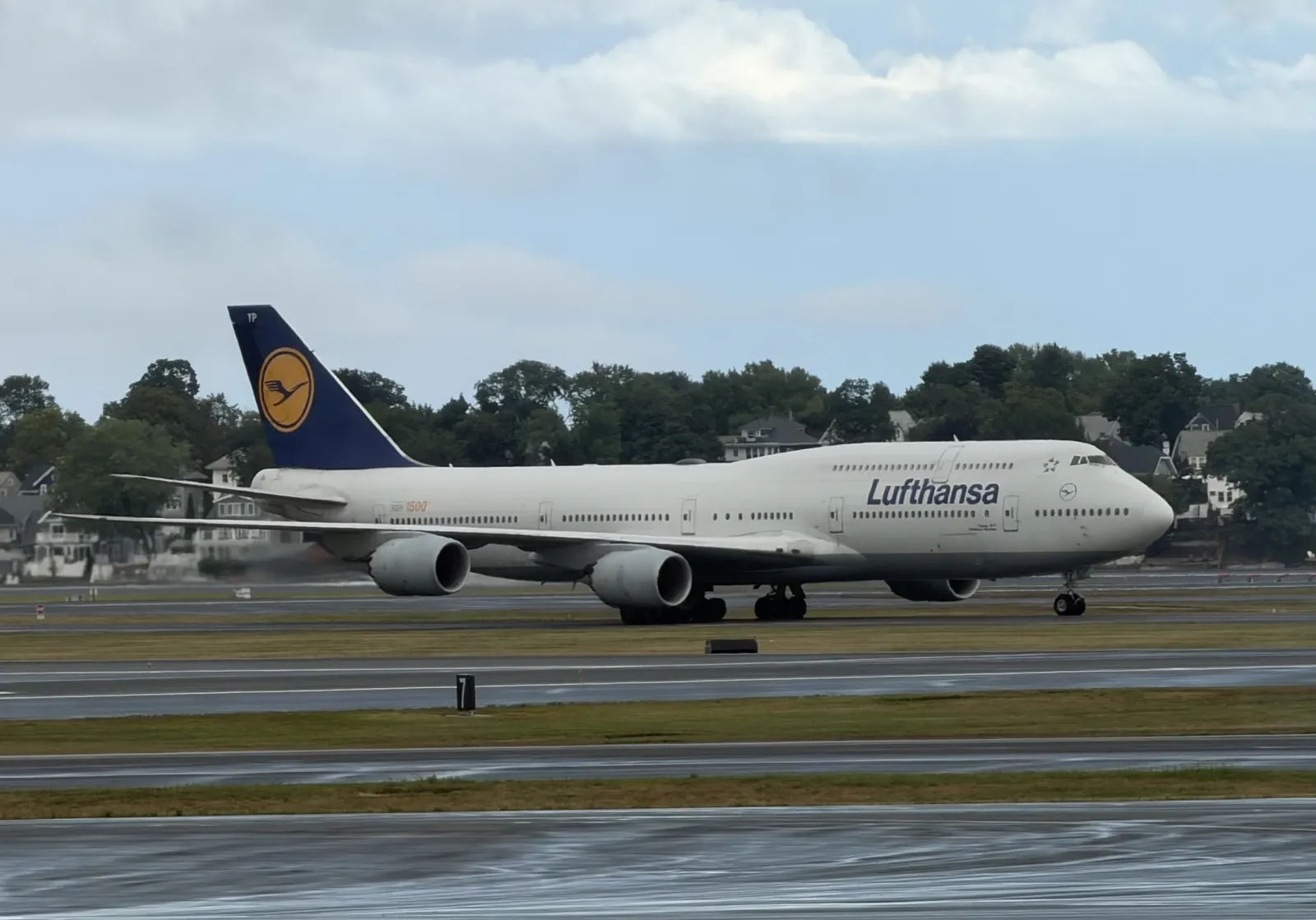
Every codeshare flight has two airlines attached to it. United is the marketing carrier: they sold you the ticket and collected your money. Lufthansa is the operating carrier: they own the aircraft, employ the crew, and physically fly the route. United and Lufthansa are both members of Star Alliance, which is the agreement that lets them sell seats on each other's flights as if they were their own.
The United flight number you see on your receipt (typically a high one like UA 8861) is a database alias. It exists so that United's reservation system can issue the ticket, record the revenue, and report the booking to its frequent flyer program. Once the transaction is complete, that number stops doing anything operational. The Lufthansa flight number (LH 400) is the one that drives every real-world system from that point onward.
You paid United, so it feels like United should hand you your boarding pass. They cannot, and the reason is a stack of safety and security requirements that only the operating carrier can satisfy. The aircraft commander on a Lufthansa-operated flight is legally responsible for the passenger manifest: the exact list of who is on the plane. That manifest lives in Lufthansa's departure control system. The gate scanners at the boarding door are Lufthansa scanners reading boarding passes generated by Lufthansa systems against Lufthansa's master list.
Weight and balance calculations depend on the same source of truth. Before pushback, the pilots need to know exactly how many passengers boarded and how much baggage and cargo went into the hold. That number has to come from the airline operating the aircraft, because they are the ones loading the bags and counting people through the door. A United-issued boarding pass would be invisible to all of it.
If your trip is operated by Lufthansa, the United app deliberately suppresses the UA number after the ticket is issued. This is a user-experience decision, not a bug. The airport departure boards at Newark, Frankfurt, or Munich are driven by the operating carrier's data feed, so they show LH 400, not UA 8861. If the app showed you the UA number, you would walk into the terminal looking for a flight the departure boards do not prominently advertise. Hiding the number guarantees that what you see on your phone matches what you see on the wall.
The UA number still appears on your emailed receipt because that document is generated straight from United's booking database before any "clean up for the customer" logic runs. The app is curated; the email is not.
On PlaneRange, the range ring you see is always determined by the aircraft that is physically flying, not by the airline that sold you the ticket. United's transatlantic codeshares from Newark are usually operated by Lufthansa's Airbus A350-900 or Boeing 747-8. The range envelope on the map is the operating aircraft's envelope: its payload-range curve, its runway requirements, its ETOPS rating.
This is also why PlaneRange's airline configuration picker matters. The Airbus A350-900 Lufthansa flies on Newark to Frankfurt is laid out for 293 passengers in a premium-heavy configuration. United's own A350-900 fleet, when it eventually starts flying that aircraft, will be configured differently, and that difference will change the payload, which changes the range. Codeshare or no codeshare, the aircraft sitting at the gate is what determines what is possible.
The whole pattern flips. If your itinerary starts with a United-operated leg from Denver to Newark and then connects to Lufthansa to Frankfurt, the United flight is "real" for the first segment. United issues your boarding pass for Denver to Newark, United's app shows the UA number prominently, United's gate scanners check you in. The Lufthansa flight number for that first leg, if it exists at all, would be the phantom one that disappears.
Then at Newark, control hands off. Lufthansa takes over for the transatlantic leg, issues a separate boarding pass for that segment, and from that point on you are in Lufthansa's operational world. Most travelers receive two boarding passes at the first counter when they check in, one for each operating carrier.
Check-in: Always check in with the airline operating each leg. United for any UA-operated segment, Lufthansa for any LH-operated segment. The agent at the first counter can often print boarding passes for both, but you may need to confirm your Lufthansa locator code (a separate 6-character record) for the international leg.
Baggage rules: The operating carrier's rules apply on each leg, but on a single-ticket itinerary the most restrictive rule typically wins for what you can carry through-checked from origin. Lufthansa's economy carry-on limit is 8 kg; United's is technically not weighed. On a UA-issued ticket with a Lufthansa-operated leg, Lufthansa can still weigh and reject an overweight carry-on at the gate.
Lounges and status: Star Alliance reciprocity means your United Gold or Premier status is recognized by Lufthansa at lounges and check-in. The codeshare flight credits to whichever frequent flyer program is attached to the ticketed flight number, usually whoever sold you the ticket.
For United, selling a Lufthansa-operated flight as UA 8861 means United can advertise service to Frankfurt from Newark without owning the aircraft, paying the crew, or carrying the operational risk. The route appears in their network map, drives loyalty engagement, and earns commission on each ticket. Lufthansa gets a sales channel into the US corporate market that United has spent decades building. Both airlines move passengers more efficiently than either could alone.
For passengers, the upside is real but understated. Codeshares are how you can book a single itinerary from a small US city to a small European one (Cleveland to Hamburg, say) with one ticket, one bag tag, one rebooking number if something goes wrong. The downside is the confusion at the airport when systems that look identical from the outside turn out to be two completely separate operational worlds underneath.
See range, specs, and airline configs on PlaneRange:
A350-900 747-8 Intercontinental Visualize on the Map →New routes pushed to their limits, new aircraft, and features as they land.