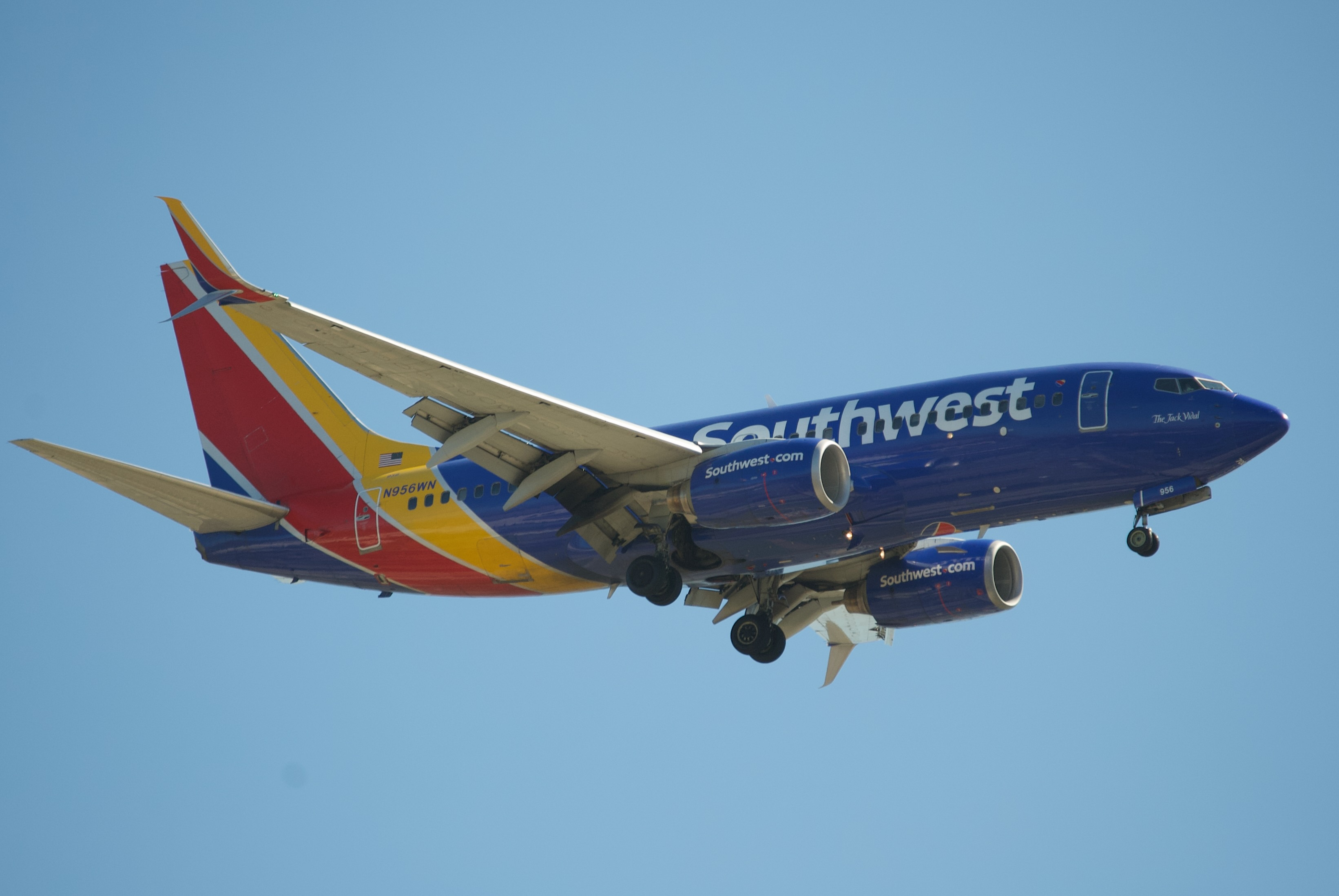
For decades, flying coast-to-coast across the United States meant boarding a widebody like a DC-10 or a larger narrowbody like the Boeing 757. The standard Boeing 737 was largely confined to short and medium-haul routes. Yet Southwest Airlines flies the relatively small Boeing 737-700 on the 2,582-mile (2,244 nm) transcontinental route between Boston (BOS) and San Diego (SAN).
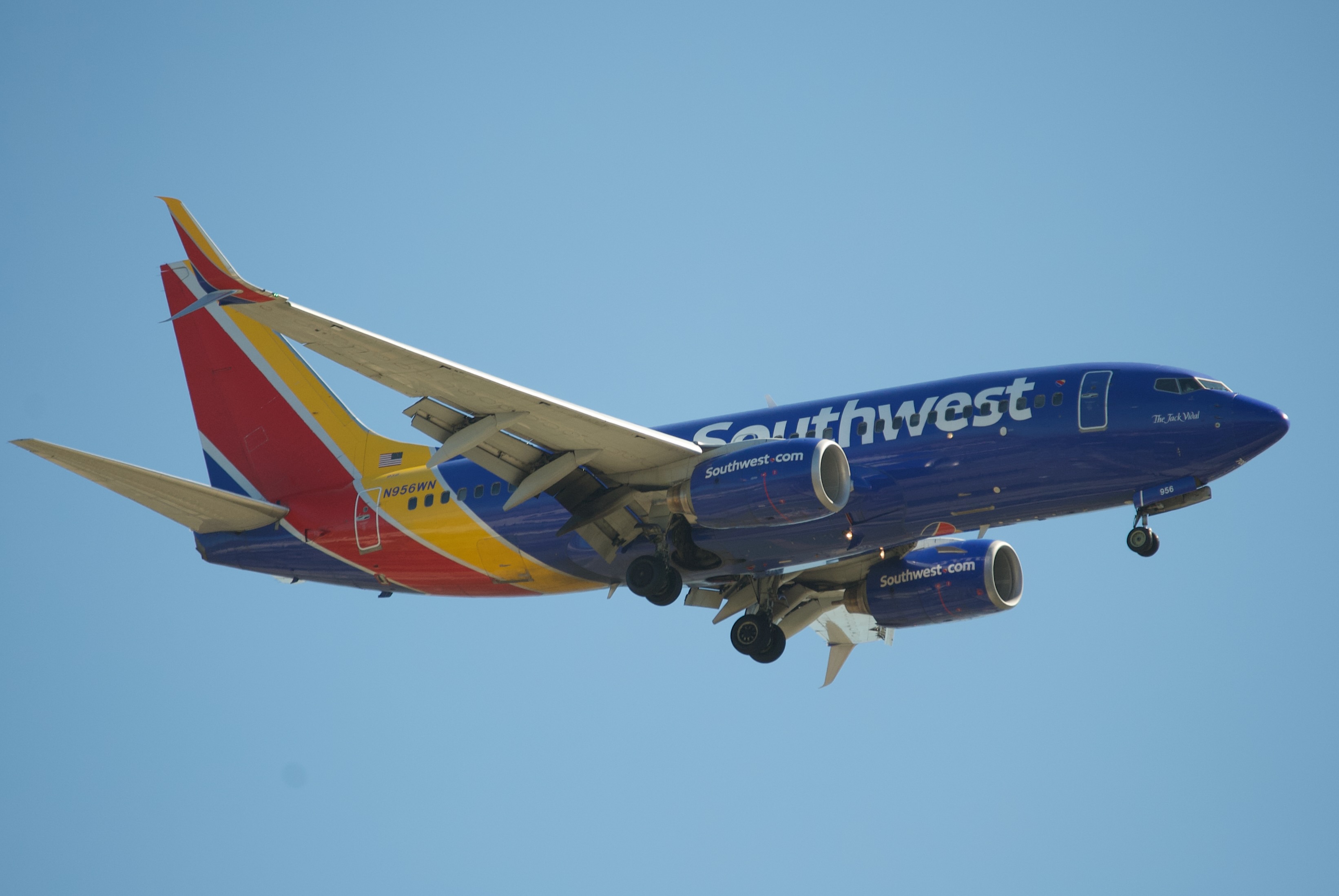
The original Boeing 737 "Classic" variants (737-300, 737-400, 737-500) didn't have the range or fuel efficiency for reliable coast-to-coast flying, particularly against winter headwinds. Airlines preferred the Boeing 757-200, which had the fuel capacity, thrust, and range to tackle transcontinental routes without weight restrictions or fuel stops.
It wasn't until the 737 Next Generation (NG) family was introduced, specifically the 737-700 and 737-800, that the 737 gained the larger wing, extra fuel capacity and more efficient engines needed to cross the country nonstop.
Southwest's business model relies on operating only one aircraft family: the Boeing 737. That cuts maintenance complexity, pilot training costs, and operational friction. When Southwest expanded its point-to-point network to include true transcontinental routes like Boston to San Diego, it didn't buy 757s. It flew the 737s it already had.
Boeing quotes the 737-700 at about 3,010 nm with a typical two-class cabin. In PlaneRange, a 143-seat Southwest 737-700 with every seat filled, flying westbound into an average winter jet stream, has 2,976 nm of usable range after reserves. That leaves about 730 nm of margin on the 2,244 nm trip. The flight takes 5h 51m westbound and 4h 25m eastbound, and the headwind leg burns 37% more fuel (5,126 gallons against 3,736).
The Boeing 737-800 is often described as the better transcon airplane, but not because of range. It has the same fuel tanks as the 737-700 and a heavier, longer fuselage, so at full load it has less range, not more. A full 175-seat Southwest 737-800 has 2,701 nm of usable range westbound, about 460 nm of margin on BOS-SAN, compared with the 737-700's 730.
What the 737-800 brings is economics. It carries 32 more passengers for 197 more gallons on the westbound leg, which works out to 15% less fuel per seat (30.4 gallons against 35.8). On a high-wind winter day, the 737-800 is the one closer to its limit.
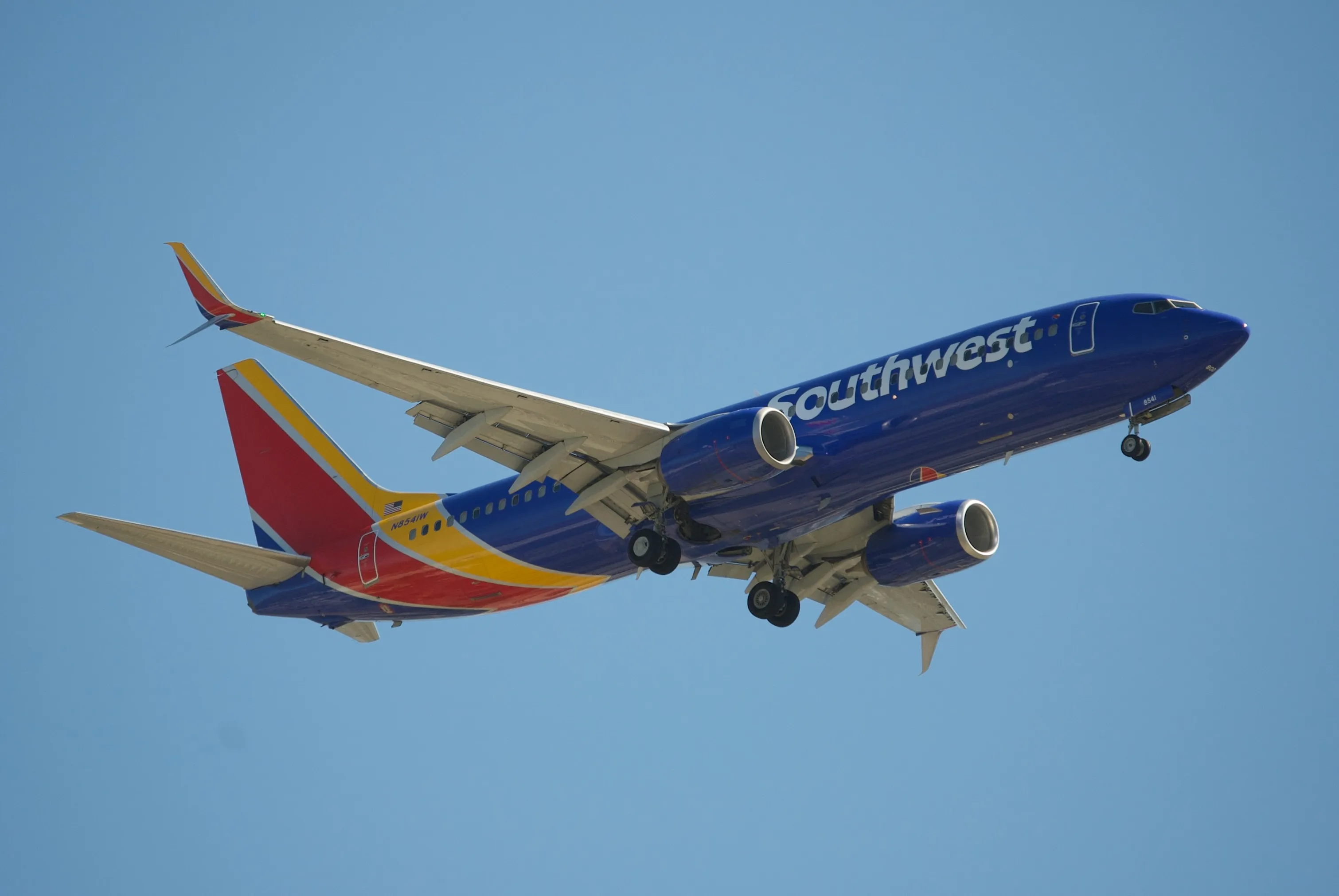
The Airbus A320, the 737's direct competitor, is no stranger to transcons. On paper it handles BOS-SAN comfortably: a full 162-seat JetBlue A320 has 3,154 nm of usable range westbound in winter, more margin than either 737 NG, and burns 4,350 gallons (26.9 per seat).
When airlines put the larger A321 on coast-to-coast routes, it is for seats and premium cabins, not range. A full 190-seat A321ceo has less westbound range (2,851 nm) than the A320, the same tradeoff the 737-800 makes against the 737-700.
Southwest planned to replace its aging 737-700 fleet with the Boeing 737 MAX 7, laid out with 150 seats, 7 more than the 737-700. On BOS-SAN it would be a clear upgrade: 4,393 gallons westbound instead of 5,126, 14% less fuel for the trip and 18% less per seat. It also has far more range in hand, 3,534 nm usable against the 737-700's 2,976, and its faster cruise takes 11 minutes off the flight.
The catch is that the MAX 7 has spent years waiting on FAA certification. That has kept Southwest flying 737-700s longer than planned, or substituting the larger MAX 8 and adding seats where they may not be needed.
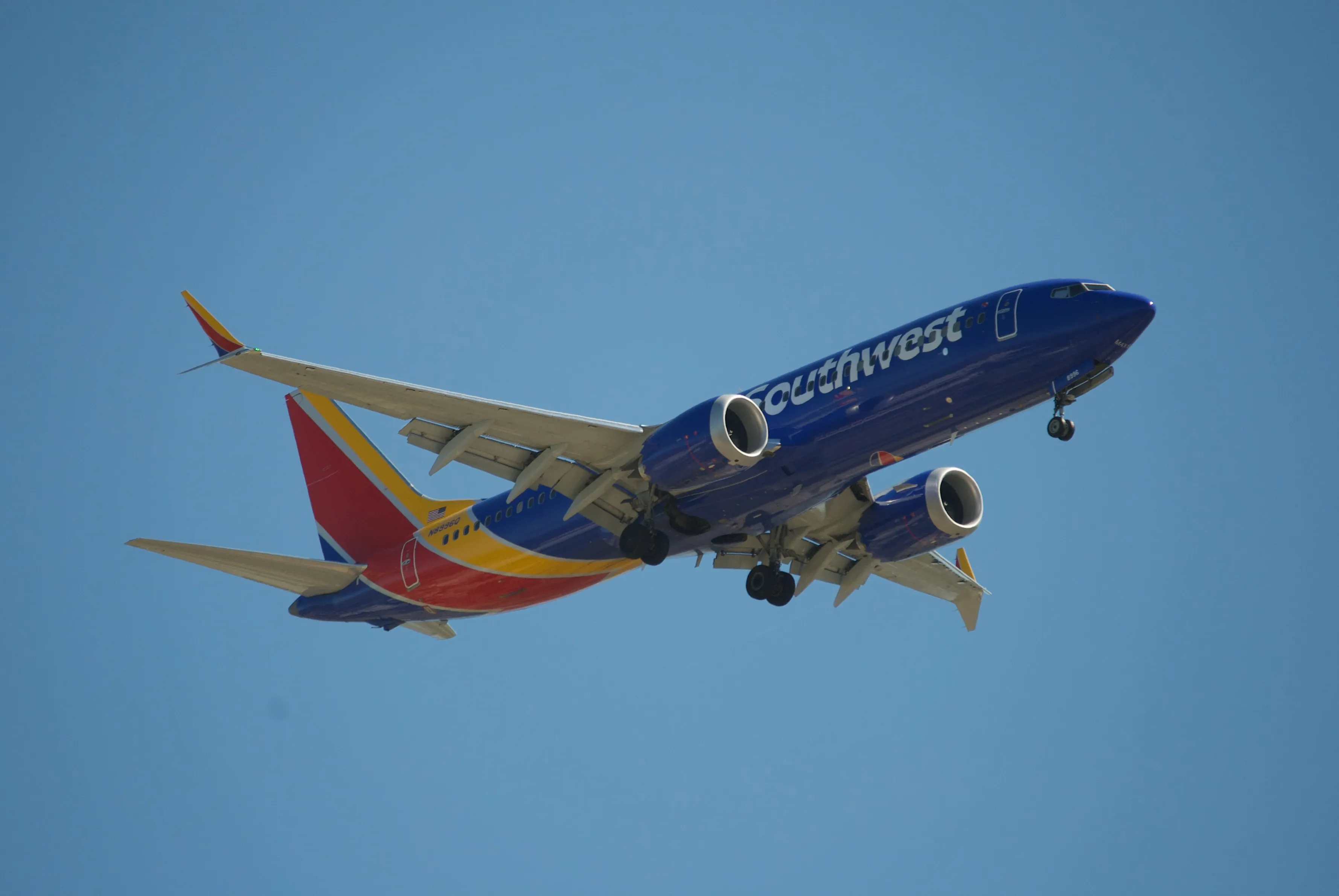
Every Southwest 737 variant on the westbound leg, full cabins, average winter winds, from PlaneRange's fuel and CO₂ estimate:
| Aircraft | Seats | Flight time | Trip fuel | Per passenger | CO₂ per passenger |
|---|---|---|---|---|---|
| Boeing 737-700 | 143 | 5h 51m | 5,126 gal | 35.8 gal | 343 kg |
| Boeing 737 MAX 7 | 150 | 5h 40m | 4,393 gal | 29.3 gal | 280 kg |
| Boeing 737-800 | 175 | 5h 51m | 5,323 gal | 30.4 gal | 291 kg |
| Boeing 737 MAX 8 | 175 | 5h 40m | 4,959 gal | 28.3 gal | 271 kg |
Fuel here is the trip burn, worked out from each aircraft's own weights, fuel capacity and ACAP ferry range, so a fuller cabin burns more. Passengers count at 210 lb each with bags and no belly cargo. Taxi fuel is not included, and the reserves are carried, not burned.
Drag the passenger slider to see how the 737-700's margin changes as the cabin fills. The fuel and CO₂ card and pin-passengers mode, which holds the same passenger count across every aircraft you compare, are part of PlaneRange Pro.
A quick update for our app users: the PlaneRange iPad version is launching next week! PlaneRange already works beautifully as a native app on iPhone and Mac, and is perfect for offline use when you're in the air. For Android and Windows users, you can already "Install page as app" directly from your browser to get the app experience today. Keep an eye out for the iPad launch announcement.
See range, specs, and airline configs on PlaneRange:
737-700 737-800 Visualize on the Map →New routes pushed to their limits, new aircraft, and features as they land.