Flight Analysis & Range Guide
In the 1960s, the aviation world assumed that by the year 2000, we would all be flying on supersonic jets. Instead, the modern Boeing 787 Dreamliner cruises at roughly Mach 0.85 (about 560 mph)-the same speed as the original Boeing 707 introduced in 1958. Why did commercial aviation stop speeding up?
As an aircraft approaches the speed of sound (Mach 1.0), the air flowing over the curved top of its wings accelerates. Even if the plane is flying at Mach 0.85, the air moving over the wing might hit Mach 1.0, creating localized shockwaves known as Wave Drag.
Pushing past this barrier requires an exponential increase in engine thrust. A supersonic jet like the Concorde had to burn massive amounts of fuel simply to brute-force its way through these shockwaves. For modern airlines, the math doesn't work: burning 50% more fuel to save 20% of flight time destroys profit margins.
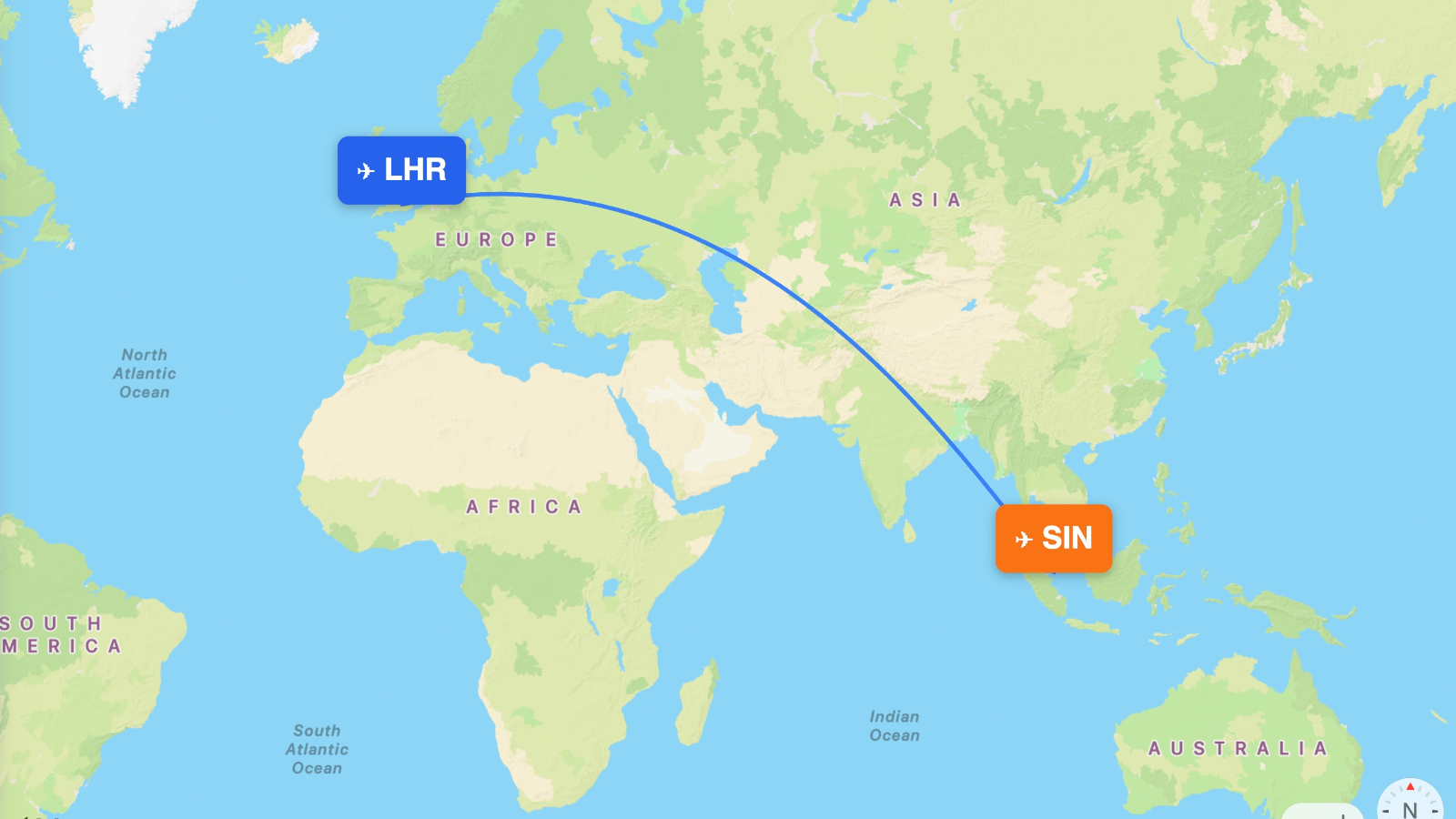
Aerospace engineers now optimize for Specific Fuel Consumption (SFC). Today's commercial jets use advanced bypass turbofans designed to cruise efficiently just below the shockwave threshold. By flying at Mach 0.85, airlines can connect cities up to 18 hours apart nonstop-something the gas-guzzling Concorde could never achieve.