Flight Analysis & Range Guide
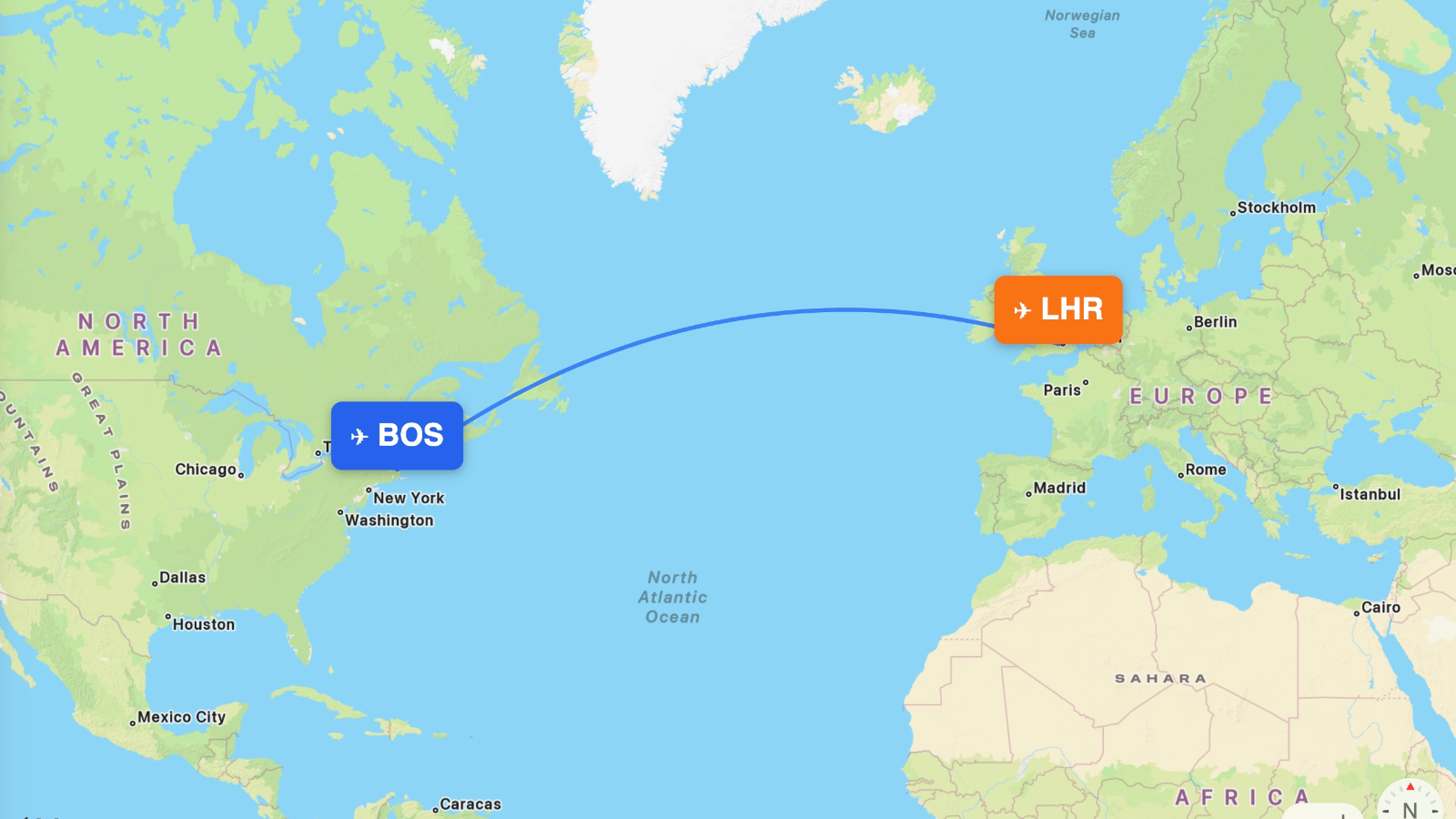
The short answer is yes. The Boeing 737 MAX 8 and Boeing 737 MAX 9 have sufficient range to cross the North Atlantic, typically covering distances up to 3,550 nautical miles. In fact, airlines like WestJet and Icelandair regularly use the Boeing 737 MAX for "thin" transatlantic routes that don't generate enough passenger demand to justify a larger, more expensive widebody aircraft like a Boeing 787 or Airbus A330.
Airlines carefully select specific city pairs to ensure the aircraft operates within its safety margins:
Flying a twin-engine narrowbody across an ocean requires strict ETOPS (Extended-range Twin-engine Operational Performance Standards) certification. The Boeing 737 MAX is typically certified for ETOPS-180, meaning if one engine fails in the middle of the ocean, the aircraft is certified to fly on the remaining engine for three hours to reach a suitable diversion airport.
This certification allows airlines to chart direct routes over the Atlantic, utilizing "crossroads" airports like Gander (Newfoundland) or Shannon (Ireland) as emergency alternates. Without ETOPS, the plane would have to follow the coastline, adding thousands of miles to the trip.
While the Boeing 737 MAX excels at transatlantic hops in the summer, winter presents a challenge. The Jet Stream flows from west to east. A flight from Europe to North America faces punishing headwinds that can exceed 150 knots. To safely make the crossing without a technical stop, airlines sometimes "weight restrict" the aircraft-capping seats or cargo to free up weight for more fuel.
See range, specs, and airline configs on PlaneRange:
A321neo LR A321XLR 737 MAX 8 737 MAX 9 Visualize on the Map →