Boeing — Commercial
 Explore the 767-300ER's range on the map →
The Boeing 767-300ER can fly up to 7,090 nautical miles (13,131 km) as a ferry flight with no payload. With a full load of passengers and cargo, the range drops to approximately 3,880 nm (7,186 km). At its cruise speed of 459 kt, that's about 15h 27m of non-stop flying at ferry weight, or 8h 27m fully loaded.

Range shown at max payload (full passenger load), with average wind conditions
The 767-300ER powered the transatlantic revolution of the late 1980s and 1990s. When ETOPS-120 certification arrived in 1985 - allowing twin-engine jets to fly more than 60 minutes from the nearest airport - airlines immediately recognized that the 767 could replace three- and four-engine 747s and L-1011s on North Atlantic routes at dramatically lower operating costs. United, American, Delta, and every major European carrier embraced it for exactly this purpose.
The -300ER (Extended Range) version, with strengthened structure and additional fuel capacity, stretched the type's range to 6,090 nautical miles - enough to serve New York–London, Boston–Frankfurt, and similar transatlantic pairs routinely while maintaining required fuel reserves. The aircraft's GE CF6 or Pratt & Whitney PW4000 engines were the benchmark widebody powerplants of their era, and the 767's two-aisle cabin - slightly narrower than the 747 - gave passengers a noticeably better experience than the narrowbodies they'd previously endured on shorter transatlantic sectors.
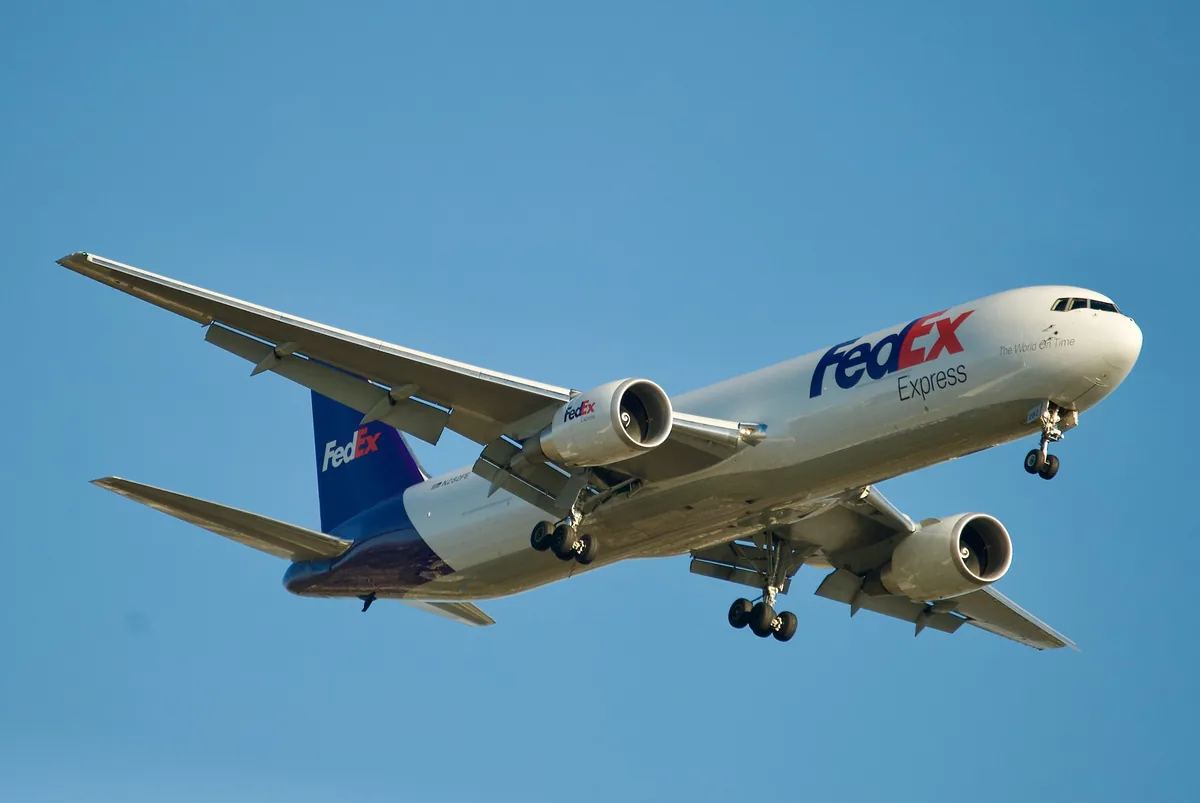
Today, the 767-300ER is primarily a freighter platform. FedEx and UPS have converted hundreds, and Boeing's current 767 production is almost exclusively for the KC-46 military tanker and its civil 767F freighter. The passenger examples still flying - United operates a significant fleet on transatlantic leisure routes - are increasingly long in the tooth, with interiors that show their age compared to 787 and A350 cabins. But the economics of a paid-off airframe flying a route that generates consistent demand have kept them competitive longer than most observers expected.