Airbus — Commercial
 Explore the A380-800's range on the map →
The Airbus A380-800 can fly up to 9,500 nautical miles (17,594 km) as a ferry flight with no payload. With a full load of passengers and cargo, the range drops to approximately 6,500 nm (12,038 km). At its cruise speed of 488 kt, that's about 19h 28m of non-stop flying at ferry weight, or 13h 19m fully loaded.

Range shown at max payload (full passenger load), with average wind conditions
The A380 is the only double-deck commercial aircraft in service, and it divides opinion as sharply as any aircraft ever built. Emirates staked its entire network philosophy on it, operating 118 examples to connect Dubai with every major long-haul destination - using the A380's 500+ seat capacity to make thin routes viable by concentrating demand through a single hub. The result was the fastest growth of a long-haul airline in history, and Emirates remains by far the dominant A380 operator.
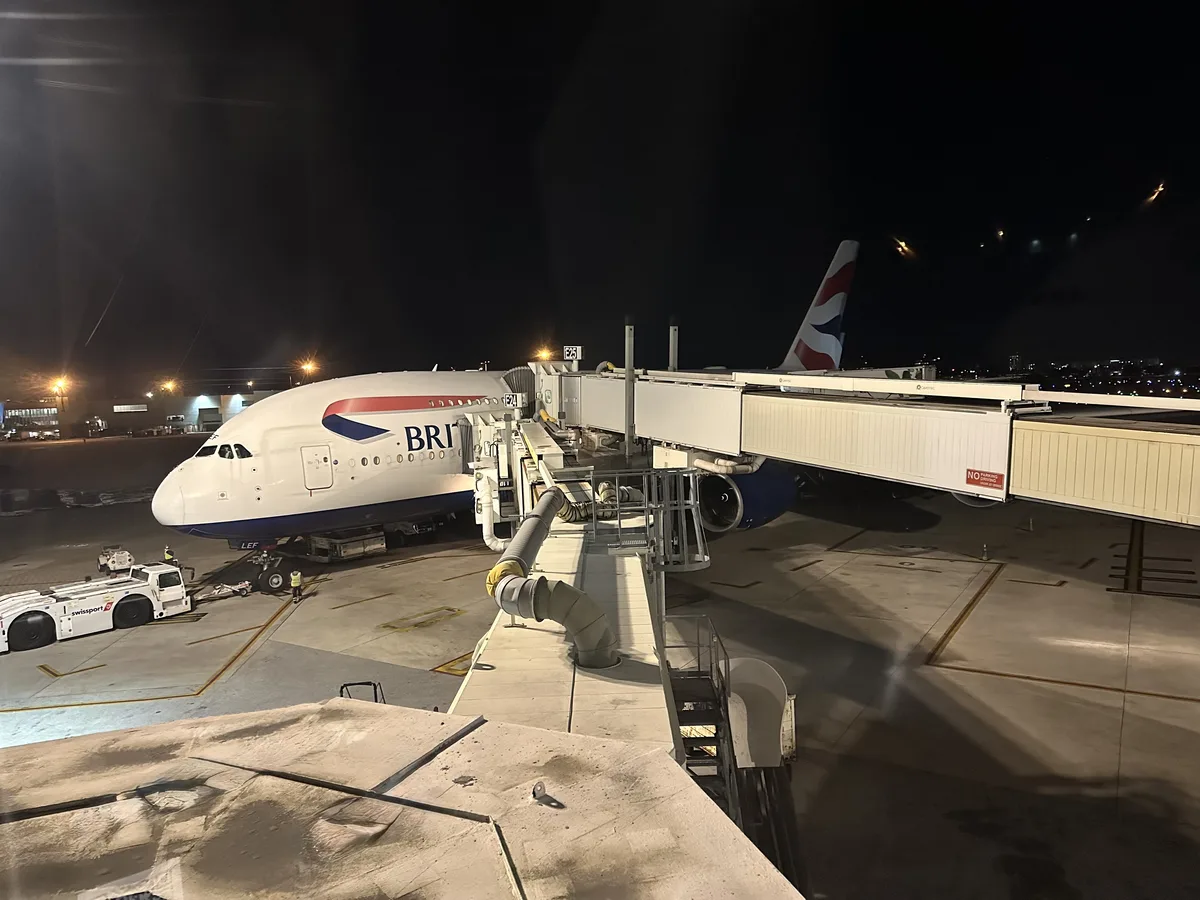
What made the A380 extraordinary was the scale of infrastructure it required. Airports spending hundreds of millions on gate modifications, reinforced taxiways, and expanded immigration facilities - Heathrow Terminal 3's A380 gates cost over £100 million. The aircraft itself can carry 850 passengers in all-economy configuration, though most airlines configured it between 480 and 560. The Emirates version features a first-class shower, a cocktail bar in economy, and a business-class suite that competitors are still trying to match.
Airbus ceased production in 2021 after failing to generate enough orders outside of Emirates to sustain the program. The aircraft proved the hub-and-spoke model when it works brilliantly - but airlines that had bet against it (those flying point-to-point with 787s and A350s) captured city pairs that the A380's hub dependency couldn't reach. Today, the existing fleet is guaranteed several more decades of service, but the type represents a fork in the road of aviation philosophy: massive hubs vs. direct connections. The 787 won that debate in market terms, but the A380 remains the most impressive civil engineering achievement in commercial aviation history.