Airbus — Commercial
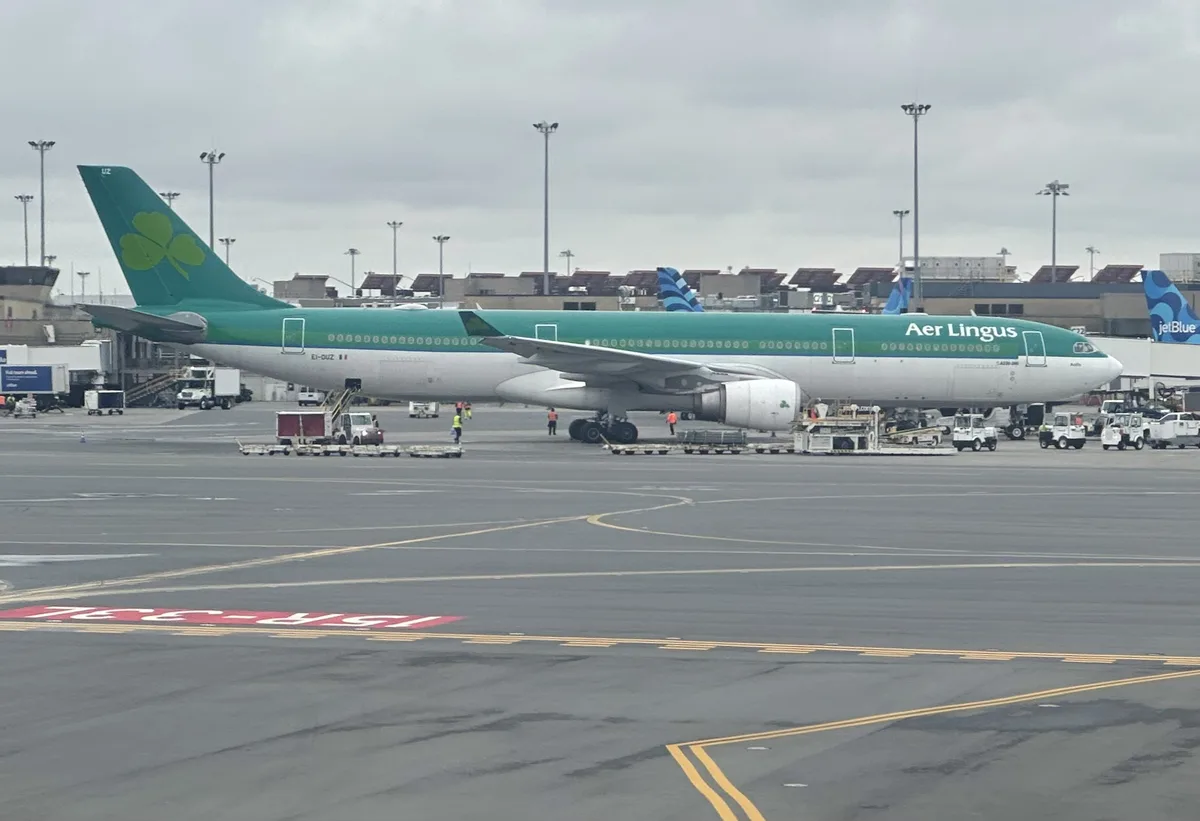
Pictured: Airbus A330-300
Explore the A330-900's range on the map →The Airbus A330-900 can fly up to 9,700 nautical miles (17,964 km) as a ferry flight with no payload. With a full load of passengers and cargo, the range drops to approximately 5,030 nm (9,316 km). At its cruise speed of 480 kt, that's about 20h 12m of non-stop flying at ferry weight, or 10h 29m fully loaded.
Source: Airbus Orders & Deliveries, as of Aug 2026

Range shown at max payload (full passenger load), with average wind conditions
The A330-900neo is Airbus's answer to the 787-9 - a re-engined A330-300 with Rolls-Royce Trent 7000 engines, Airbus's A350-inspired composite winglets, and a cabin update that closes most of the passenger experience gap with the newer Dreamliner. The engineering approach was pragmatic: rather than a clean-sheet design, Airbus improved what already worked, allowing airlines already operating A330s to upgrade to the neo with minimal retraining and reduced parts inventories.
The Trent 7000 is a derivative of the Trent 7000XB used on the A380, and it delivers approximately 14% better fuel burn than the Trent 700 it replaces. Combined with the aerodynamic improvements from the new sharklets - which are the same design as on the A350 - the A330-900neo achieves roughly 25% lower trip costs than the aircraft it succeeds. ITA Airways (formerly Alitalia), Air Transat, Delta, and a growing list of carriers have committed to the type as a cost-effective 787 alternative that avoids the Dreamliner's premium acquisition price.
The A330-900neo seats up to 440 passengers in high-density configuration, making it one of the largest twin-engine narrowbody... widebodies currently in production. For routes where demand is strong enough to fill those seats but not consistent enough to justify an A350, it occupies a commercially sensible position. Air Transat operates it on transatlantic leisure routes between Canada and Europe where full loads are the norm in summer and lower densities are manageable in winter.