Airbus — Commercial
 Explore the A330-300's range on the map →
The Airbus A330-300 can fly up to 8,840 nautical miles (16,372 km) as a ferry flight with no payload. With a full load of passengers and cargo, the range drops to approximately 4,390 nm (8,130 km). At its cruise speed of 470 kt, that's about 18h 49m of non-stop flying at ferry weight, or 9h 20m fully loaded.

Range shown at max payload (full passenger load), with average wind conditions
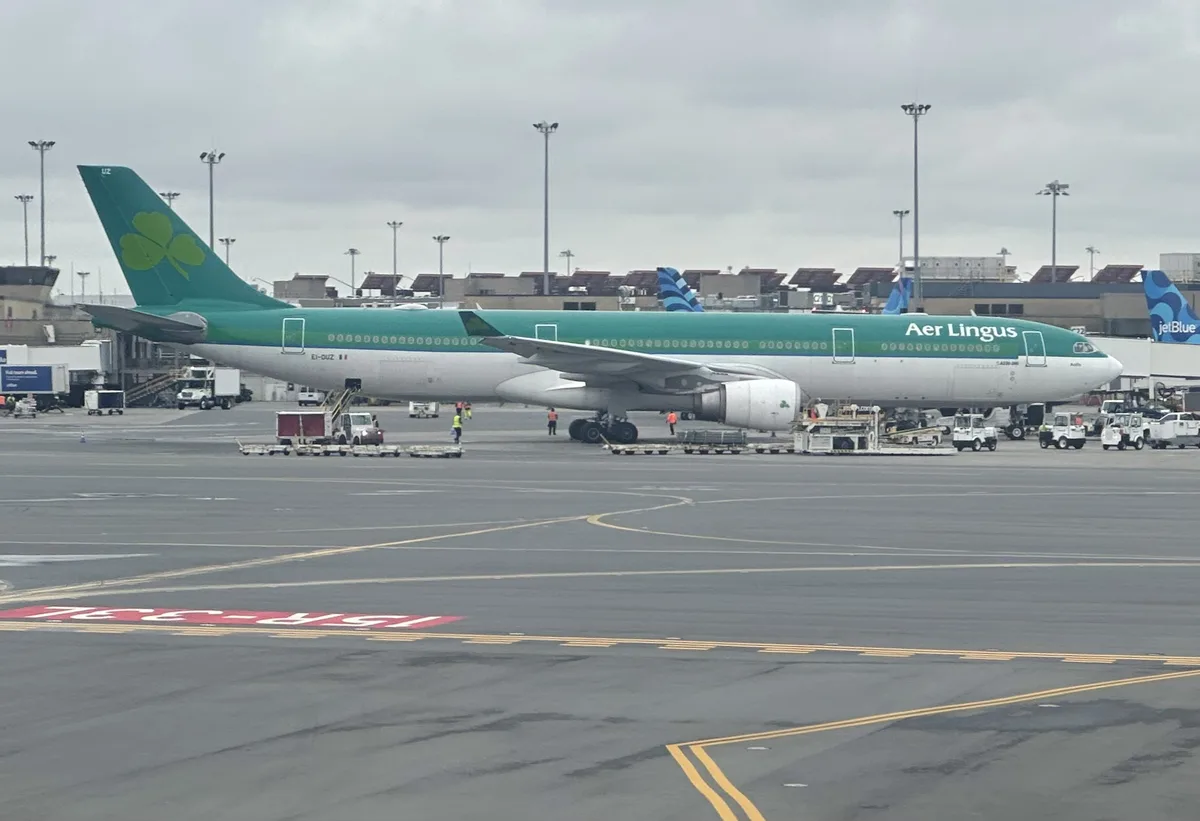
The A330-300 is the widebody that quietly powered intercontinental aviation through the 1990s and 2000s. At 290–340 seats, it landed in the sweet spot between the 767 (too small for many transatlantic and long-haul routes) and the 747 (too big and thirsty for anything less than a premium route). Air France, KLM, and Cathay Pacific built significant portions of their long-haul networks around it, and the type went on to see service with over 100 operators worldwide.
The -300's twin Rolls-Royce Trent 700 or GE CF6 engines were, for their era, efficient widebody powerplants. The aircraft's fly-by-wire flight controls - inherited from the A320 program and extended to the widebody category for the first time - allowed cross-type commonality with the A320 family, reducing pilot training costs for airlines operating both narrowbody and widebody fleets. This was Airbus's strategic masterstroke: build a family of aircraft that shares a cockpit philosophy, and airlines become reluctant to mix Boeing equipment into the fleet.
Today the A330-300 is in the middle of a long retirement cycle, with most major airlines transitioning toward the A330-900neo, A350-900, or 787-9 for their widebody missions. The -300 remains active at dozens of carriers on routes where the economics still work, and it will continue flying freight for years after its passenger life ends. If you've taken a medium-haul long-haul flight in the past 20 years, there's a reasonable chance it was aboard a -300.