Airbus — Commercial
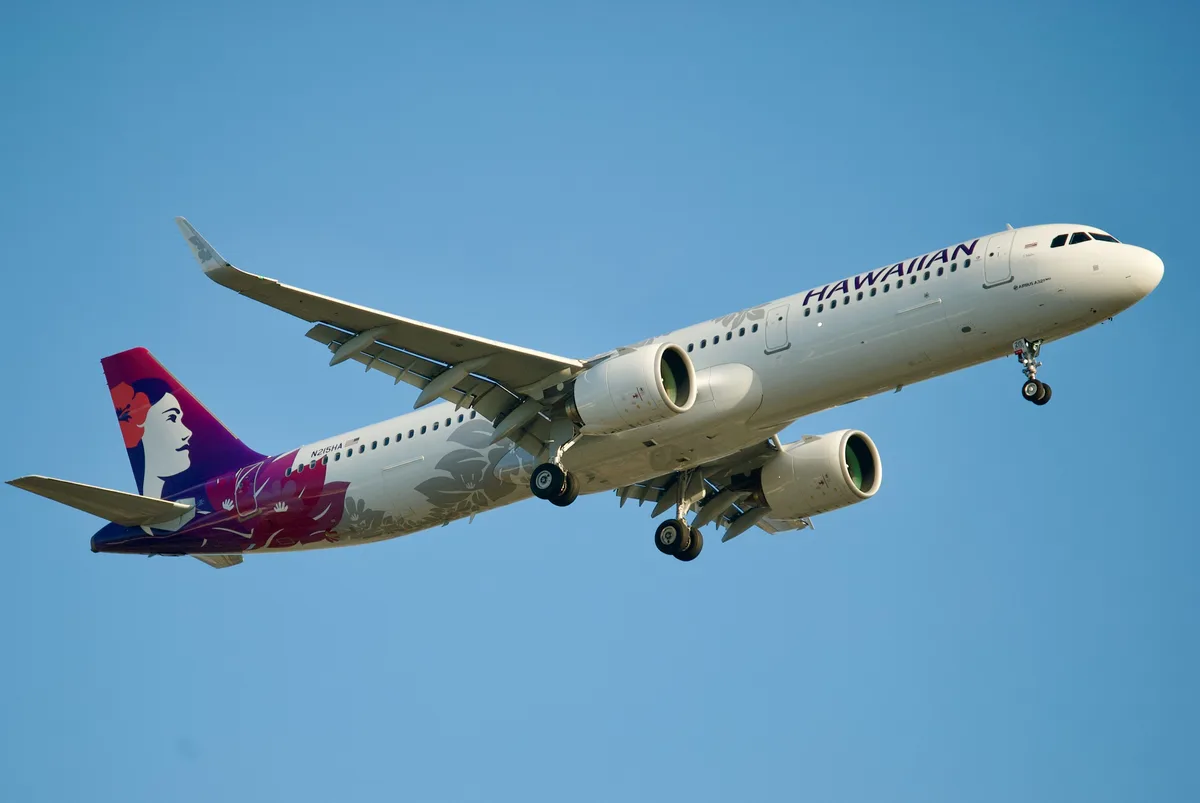 Explore the A321neo LR's range on the map →
The Airbus A321neo LR can fly up to 5,140 nautical miles (9,519 km) as a ferry flight with no payload. With a full load of passengers and cargo, the range drops to approximately 3,040 nm (5,630 km). At its cruise speed of 450 kt, that's about 11h 25m of non-stop flying at ferry weight, or 6h 45m fully loaded.
Source: Airbus Orders & Deliveries, as of Aug 2026

Range shown at max payload (full passenger load), with average wind conditions
The A321neo LR (Long Range) is the aircraft that blew apart the assumption that transatlantic routes required widebody jets. By adding three Additional Center Tanks to the already fuel-efficient A321neo airframe, Airbus created a narrowbody capable of 4,000 nautical miles - enough to connect the US East Coast with Western Europe with careful fuel planning and favorable winds. Azores Airlines used it to open Oakland–Terceira and Boston–Ponta Delgada, routes that a widebody would fly mostly empty.
The LR's economics are disruptive precisely because of what it isn't: it isn't a 787 or A330 requiring 250 passengers to break even. On a route generating 150 bookings each direction, an A321neo LR can turn a profit where a widebody would bleed money. That changes which routes are viable to begin with, which is why airlines like Delta, TAP Air Portugal, Icelandair, and PLAY have deployed it aggressively on transatlantic "thin routes" - connecting smaller US cities directly to Europe without a hub connection.
The tradeoff is range sensitivity to wind and load. The LR's 4,000 nm capability assumes favorable conditions. On westbound crossings in winter, when the jet stream generates 100+ knot headwinds, the usable payload drops - airlines may have to limit cargo or cap passenger loads to stay within fuel margins. This is precisely why PlaneRange's wind simulation shows the A321neo LR's range ring compressing dramatically to the west in winter mode: the winds that cut hours off an eastbound flight effectively shrink the westbound range by hundreds of nautical miles.