Airbus — Commercial
 Explore the A320neo's range on the map →
The Airbus A320neo can fly up to 4,360 nautical miles (8,075 km) as a ferry flight with no payload. With a full load of passengers and cargo, the range drops to approximately 2,460 nm (4,556 km). At its cruise speed of 450 kt, that's about 9h 41m of non-stop flying at ferry weight, or 5h 28m fully loaded.
Source: Airbus Orders & Deliveries, as of Aug 2026

Range shown at max payload (full passenger load), with average wind conditions
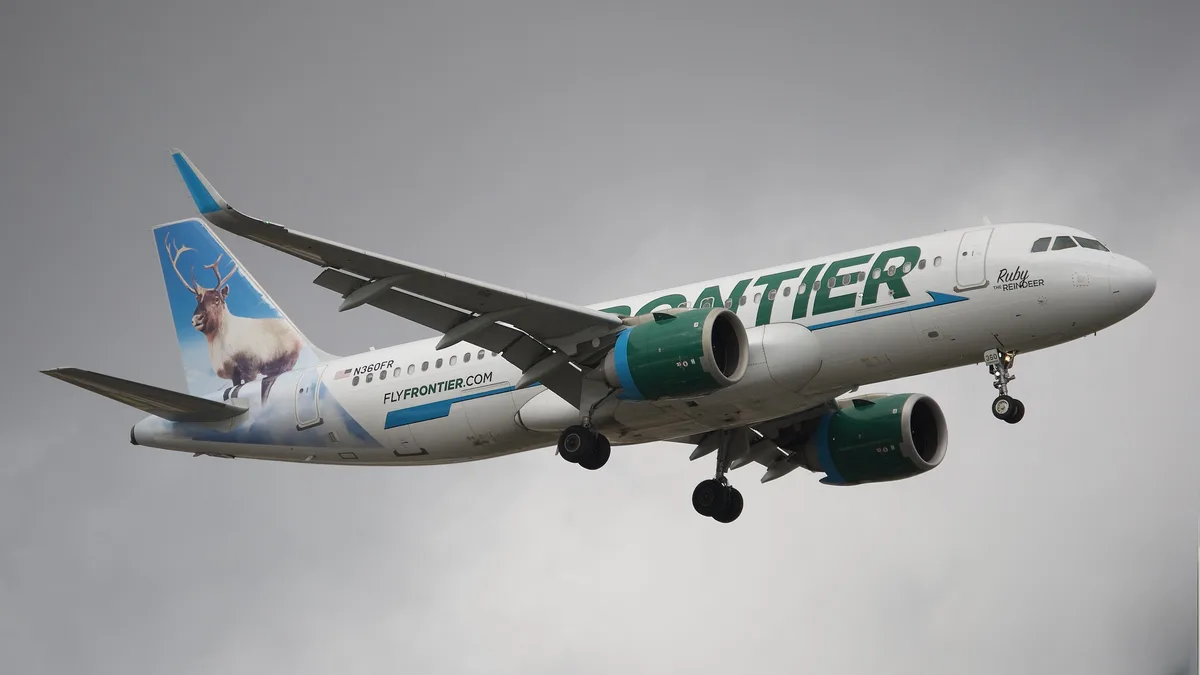
The A320neo (New Engine Option) is arguably the most commercially successful aircraft in history by order count alone - over 9,000 orders before it had even completed certification. The "neo" designation refers to the choice of either CFM International LEAP-1A or Pratt & Whitney PW1100G geared turbofan engines, both of which cut fuel burn by roughly 20% versus the CFM56s powering the previous generation. That is a large operational saving on an aircraft type that might complete eight short-haul cycles in a single day.
IndiGo, India's largest carrier, holds the single biggest aircraft order in history - over 1,000 A320-family jets - and the vast majority are A320neos and A321neos. The aircraft's dominance in Asian low-cost markets is similarly overwhelming: AirAsia, Cebu Pacific, VietJet Air, and Scoot all build their networks around it. In Europe, Wizz Air bet its entire fleet on the neo, operating one of the youngest and most fuel-efficient narrowbody fleets on the continent as a result.
For avgeeks, the Pratt & Whitney PW1100G engines deserve attention. The geared turbofan concept uses a reduction gearbox to allow the fan to spin at a different (lower) speed than the low-pressure turbine - optimizing each component independently. Early production engines suffered persistent quality issues that grounded hundreds of aircraft for inspections, but the mature engine is impressive: quieter than any comparable narrowbody engine, with a specific fuel consumption that approaches what was once thought impossible for a short-haul turbofan.