Flight Analysis & Range Guide
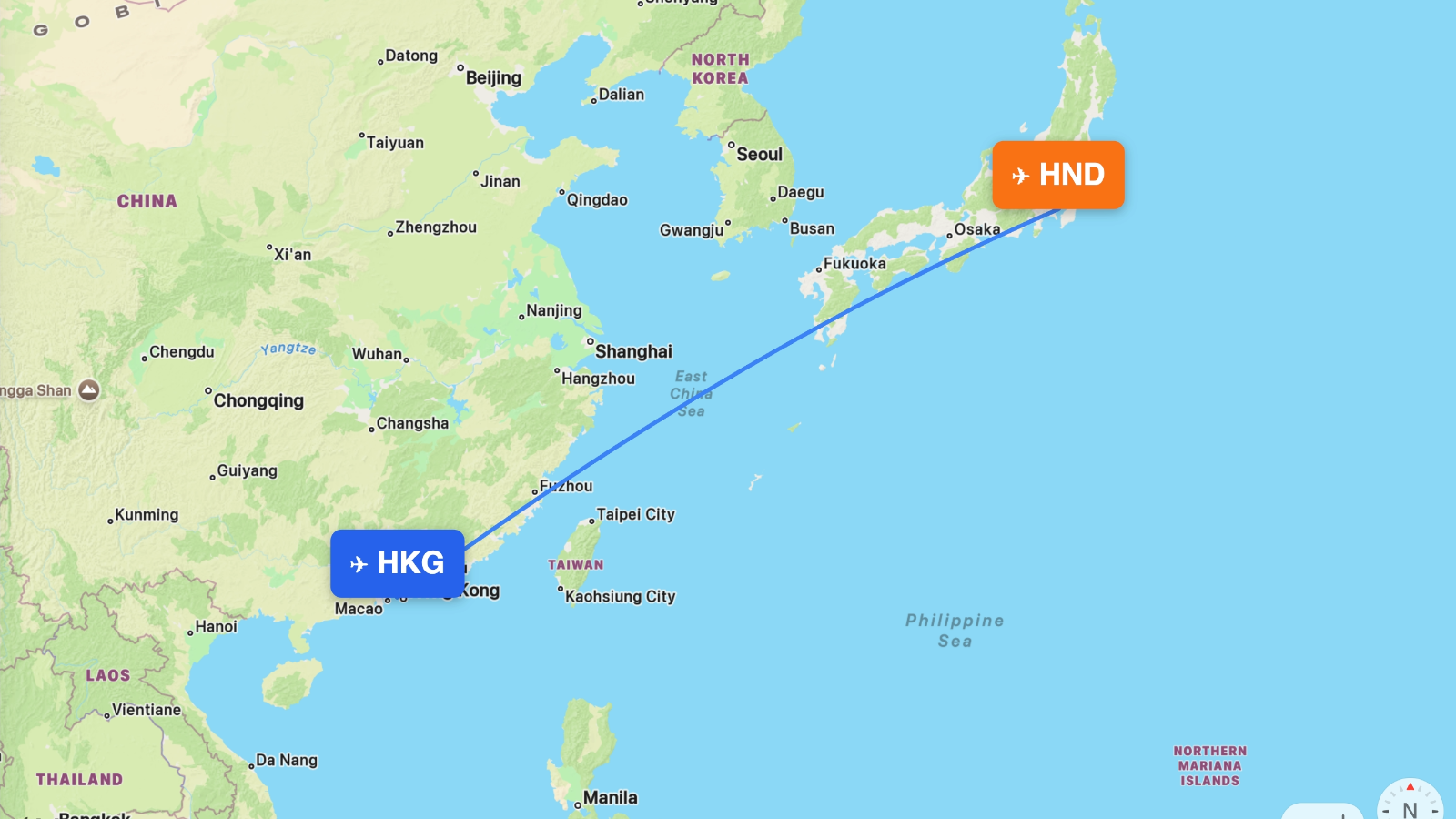
In North America and Europe, widebody "jumbo" jets are almost exclusively reserved for long-haul oceanic crossings. However, if you travel to Japan, China, or Southeast Asia, you'll often see massive Boeing 777s or Airbus A350s flying routes that are less than 90 minutes long. Why use a plane designed for 14 hours of flight on a short hop?
The primary reason is capacity. Hubs like Tokyo Haneda, Hong Kong International, and Taipei Taoyuan are some of the busiest airports in the world and have very limited "slots" (permissions for a plane to land or take off). If an airline only has one slot every hour between two major cities, but 500 people want to fly that route, they can't use a 180-seat Boeing 737. They must use the largest plane possible to maximize the number of passengers per slot.
Asia is a global hub for manufacturing and e-commerce. Even on a short flight, the massive "belly" cargo capacity of a widebody jet is often completely full of electronics or high-value goods. This freight revenue helps offset the higher fuel costs of using a large jet on a short route.
To make this viable, manufacturers even built specialized "Regional" versions of long-haul jets. These planes have a lower Maximum Takeoff Weight and engines that are "de-rated" (limited in power) to reduce maintenance wear from the frequent takeoffs and landings, which are much harder on a plane than hours of cruising.
See range, specs, and airline configs on PlaneRange:
A380-800 747-400 747-8 Intercontinental Visualize on the Map →