Flight Analysis & Range Guide
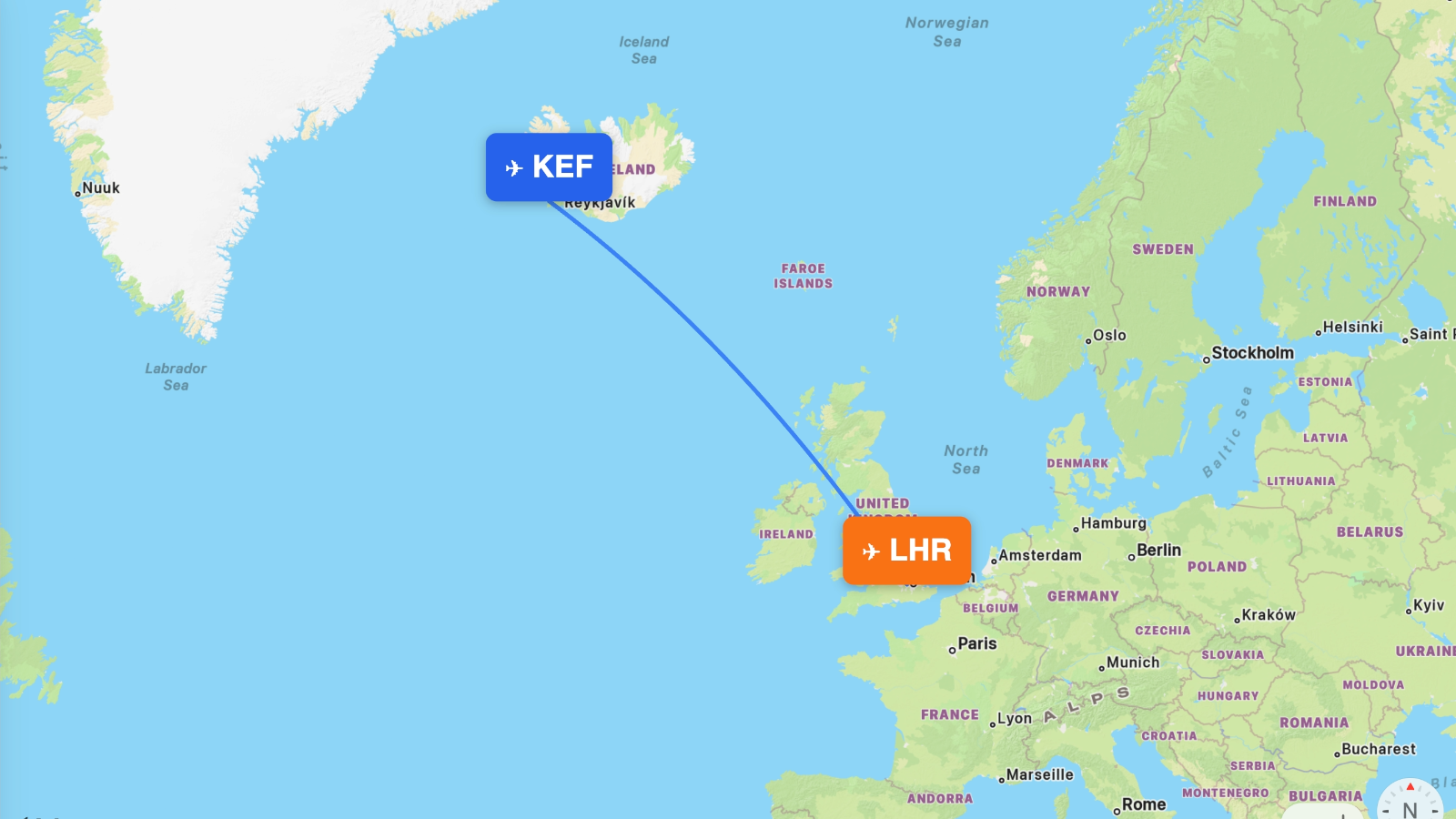
When a volcano erupts, it can disrupt global aviation for weeks. We saw this in 2010 with Iceland's Eyjafjallajökull, which paralyzed European airspace. But beyond the immediate danger of engine failure, volcanic ash has a major impact on flight range and fuel planning.
Volcanic ash isn't like soft wood ash; it's made of tiny, jagged particles of rock and glass. When a jet engine sucks in this ash, the intense heat of the combustion chamber melts the glass, which then coats the turbine blades, choking the engine and causing a total flameout. Additionally, the ash acts like a sandblaster, pitting the windshields and making it impossible for pilots to see.
To stay safe, planes must fly hundreds or even thousands of miles around "ash concentration zones." A flight from London to New York that usually takes 7 hours might be forced into a 10-hour detour. This requires planes to carry significantly more fuel than usual. If the detour is too long, an aircraft that could normally fly the route nonstop might no longer have the range to do so, forcing an expensive and time-consuming fuel stop.
Aviation authorities use complex computer models to predict ash cloud movement. Dispatchers must continuously update flight plans, balancing the need for safety with the aircraft's physical fuel limits. On PlaneRange, you can see how even a small increase in flight distance (due to a detour) quickly eats into the payload capacity of the aircraft.