Flight Analysis & Range Guide
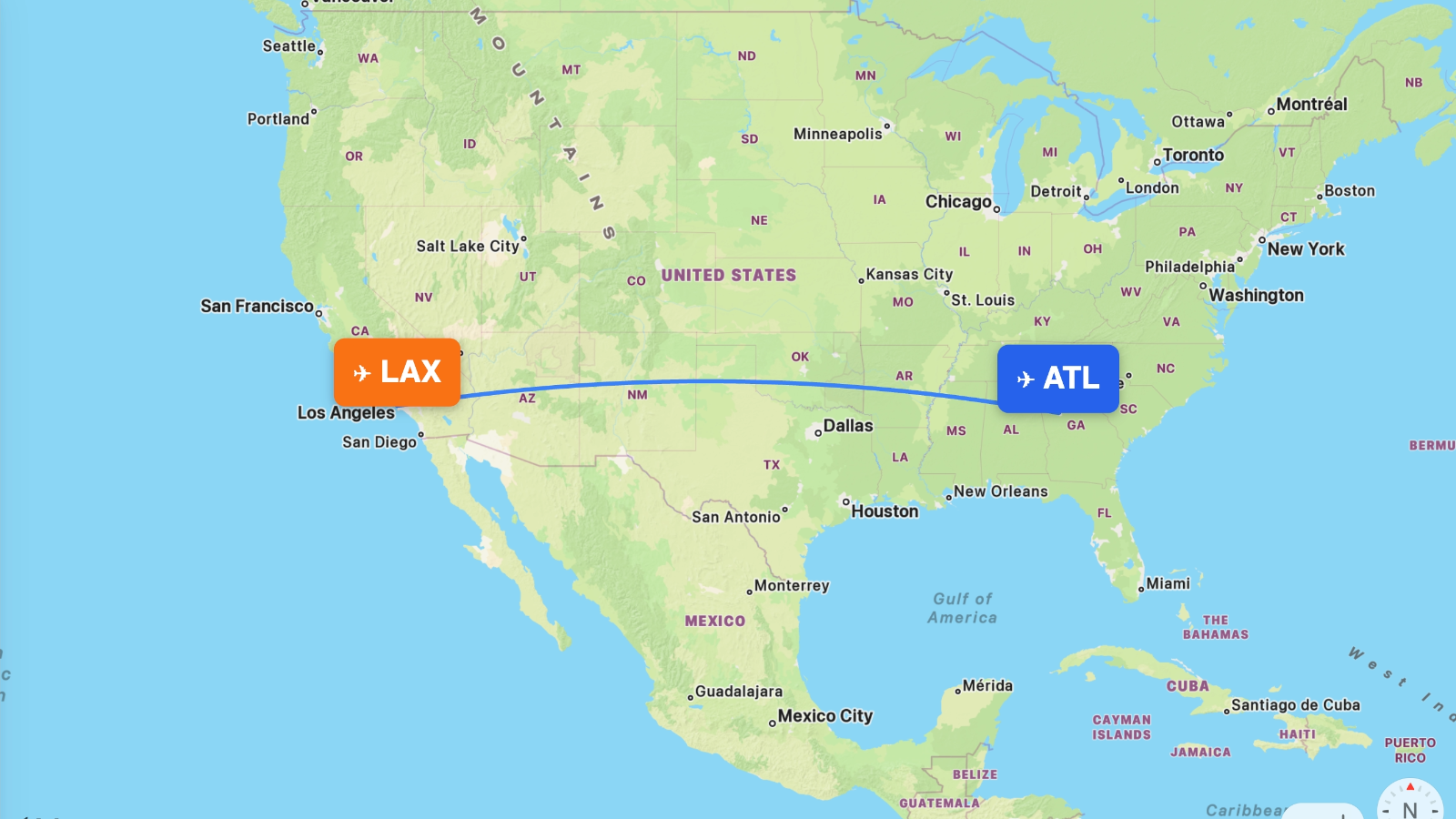
A common misconception is that a plane lands with nearly empty fuel tanks. In reality, landing with the fuel gauges near zero is a major emergency that triggers a massive federal investigation. Commercial aircraft are legally required to carry a significant amount of "extra" gas-which directly impacts the plane's total range.
When a pilot looks at the fuel load, they see four distinct categories:
All of this "safety fuel" has weight. On a long flight, a plane might be carrying 20,000 pounds of gas that it never intends to burn. Because that weight is taking up part of the Maximum Takeoff Weight, it reduces the amount of payload or "trip fuel" the plane can carry. In essence, the safer we make the flight, the shorter the aircraft's effective range becomes.
If a plane is delayed by air traffic control and starts to dip into its "Alternate Fuel," the pilots will declare "Minimum Fuel." If they have to touch their "Final Reserve," they declare a "Mayday Fuel" emergency. Modern aircraft and dispatchers are so precise that actual fuel exhaustion (running out completely) is almost unheard of in modern commercial aviation.