Flight Analysis & Range Guide
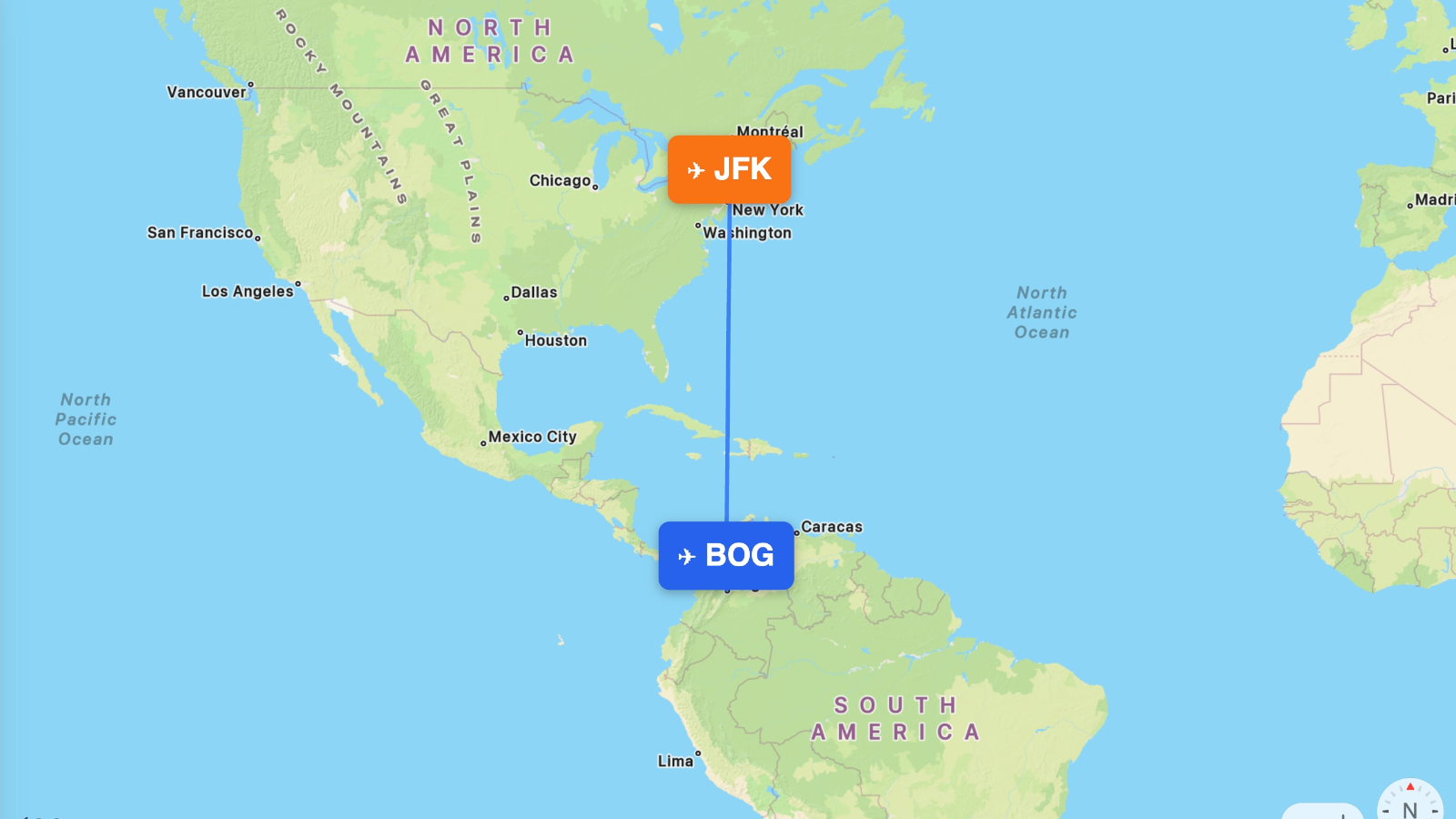
Airports situated at high elevations-such as Denver (DEN) at 5,400 ft, Mexico City (MEX) at 7,300 ft, and Bogota (BOG) at 8,300 ft-present a unique physics challenge. Even with massively long runways, an aircraft that can easily take off fully loaded from Los Angeles might physically be unable to get airborne at these hubs.
As you climb higher, the air becomes thinner (lower density). When extreme heat is added, the "Density Altitude" rises further, crippling performance in two ways:
Because engines produce less power and wings need more speed, the aircraft accelerates sluggishly. Denver's 16,000-foot runway-the longest in North America-exists specifically to give heavy jets enough room to reach takeoff speed.
Historically, the Boeing 757 was the "king" of these airports. Its massive engines provided such a high thrust-to-weight ratio that it could take off fully loaded where modern narrowbodies like the Airbus A321neo often have to weight restrict passengers to stay safe.