For decades, Alaska Airlines was defined by its domestic network and its "Proudly All Boeing" fleet of 737 narrowbodies. But as the airline grows its footprint and integrates operations following its acquisition of Hawaiian Airlines, it is inheriting a new capability: the Boeing 787-9 Dreamliner.
A Boeing 737 MAX 9 is a fantastic aircraft for flying Seattle to New York or Los Angeles to Hawaii, but its range tops out around 3,300 nautical miles with a full load. This has historically forced Alaska to rely on Oneworld alliance partners to carry its frequent flyers across the Pacific or the Atlantic.
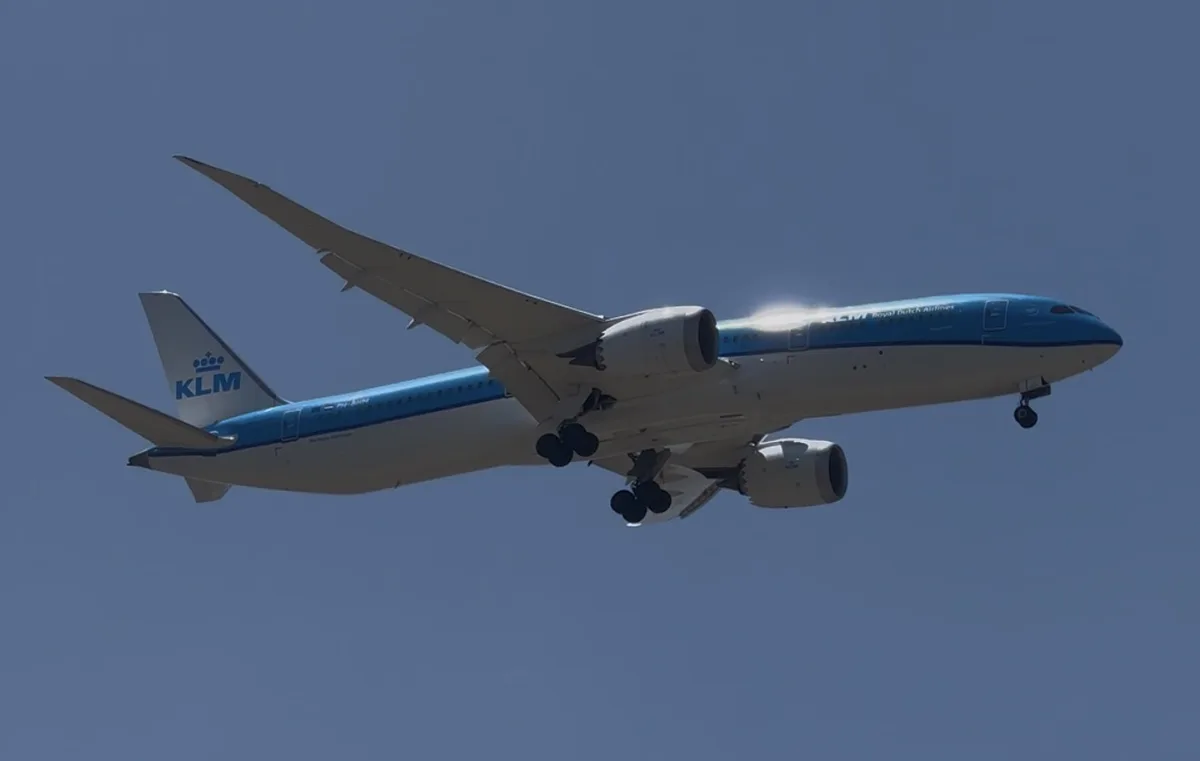
Enter the 787-9. With a max-payload range of roughly 7,500 nautical miles, the Dreamliner fundamentally rewrites the airline's network map. It offers twin-engine fuel efficiency combined with ultra-long-haul reach, allowing Alaska to fly its own metal to global hubs.
What makes the 787-9 so powerful is its payload-range curve. On routes of 4,000–5,000 nautical miles, the aircraft operates squarely in its most efficient envelope. It doesn't need to restrict cargo or block passenger seats to make the trip, which maximizes revenue on every flight.
See range, specs, and airline configs on PlaneRange:
787-9 Visualize on the Map →New routes pushed to their limits, new aircraft, and features as they land.