Flight Analysis & Range Guide
In aviation, a larger plane doesn't always fly farther. The Boeing 737 family perfectly illustrates this through the trade-off between weight and fuel. Understanding the difference between the Boeing 737-800 and the original Boeing 737-900 is a masterclass in airline economics.
The original Boeing 737-900 was a "stretch" of the successful Boeing 737-800. It added extra seats but used the exact same fuel tanks. Because the plane itself was physically heavier (higher Operating Empty Weight), it hit its Maximum Takeoff Weight (MTOW) faster. With a full cabin, airlines couldn't top off the fuel tanks without making the plane illegally heavy, meaning the larger Boeing 737-900 actually had less range than the Boeing 737-800.
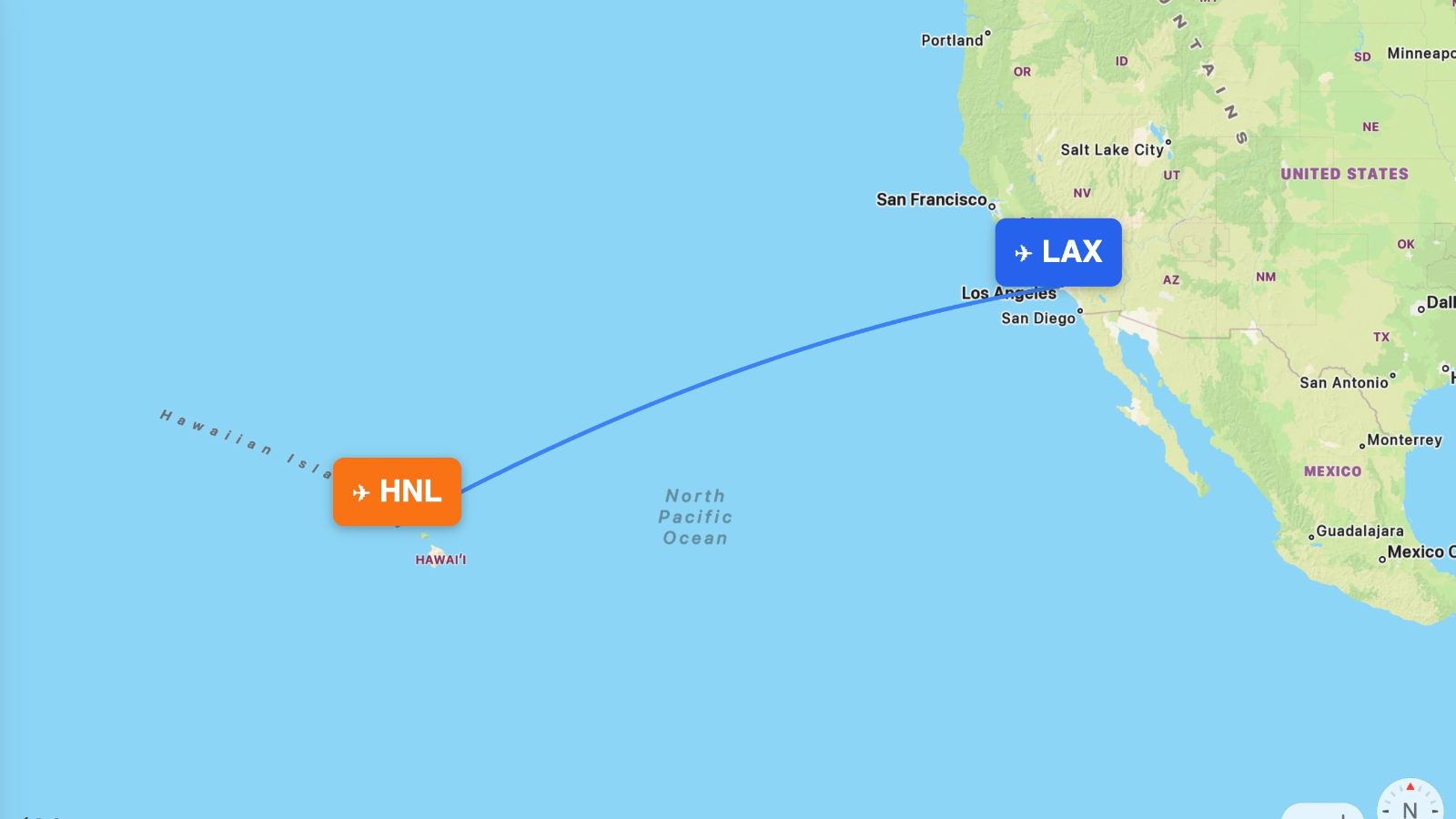
To fix this, Boeing developed the Boeing 737-900ER, adding auxiliary fuel tanks and reinforcing the structure to allow a higher MTOW. This allowed airlines to finally fly the larger jet on critical Hawaii to California routes. You can see these differences by comparing the range rings for each variant on PlaneRange.
See range, specs, and airline configs on PlaneRange:
737-800 737-900 737-900ER Visualize on the Map →