Boeing — Commercial
 Explore the 737-900's range on the map →
The Boeing 737-900 can fly up to 3,050 nautical miles (5,649 km) as a ferry flight with no payload. With a full load of passengers and cargo, the range drops to approximately 2,575 nm (4,769 km). At its cruise speed of 447 kt, that's about 6h 49m of non-stop flying at ferry weight, or 5h 46m fully loaded.
The 737-900 is the stretch that backfired - at least in its original form. Boeing lengthened the 737-800 by 2.6 metres, adding 12 seats, but made a critical commercial error: they kept the same fuel capacity. More seats and the same fuel meant that the -900, despite being physically larger, had less range than the -800 it was supposed to supersede. Airlines that ordered it for high-density US domestic routes found themselves with a jet that couldn't reliably cover the trans-continental missions they needed.
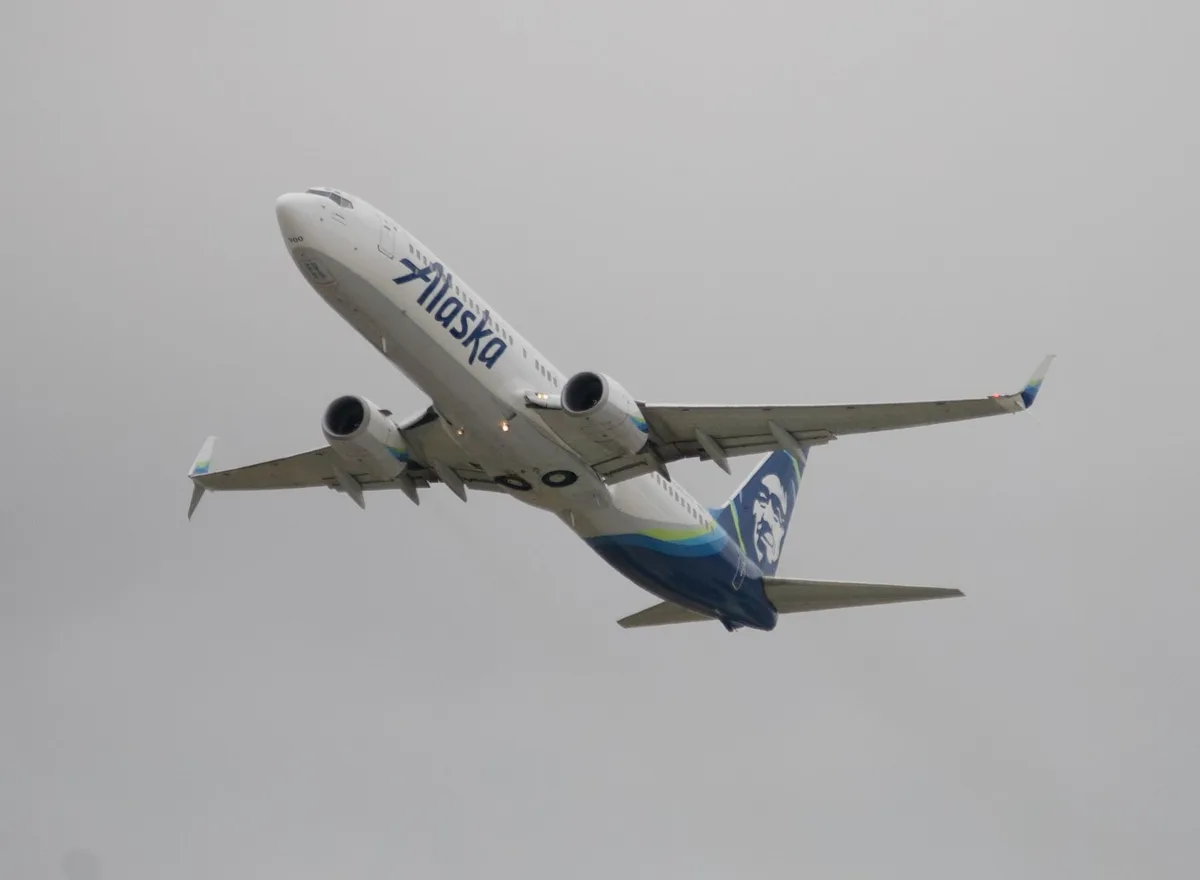
Only Alaska Airlines and KLM placed significant orders, and both with reservations. Alaska deployed -900s on shorter West Coast hops where the range limitation mattered less. The type sold fewer than 60 aircraft before Boeing recognized the problem and developed the -900ER - which fixed the range deficit by adding two optional fuel tanks and a strengthened structure.
The -900 story is an instructive one for aviation geeks: it demonstrates that adding fuselage length is straightforward, but adding range requires either bigger fuel tanks or a more efficient engine, and Boeing chose to do neither in the initial -900. The oversight led directly to the ER variant, which became the genuinely capable aircraft the -900 should have been from the start. PlaneRange's data reflects this counterintuitive reality - compare the -800 and -900 range rings side by side to see the original 737-900's range deficit for yourself.