Airbus — Commercial
 Explore the A330-200's range on the map →
The Airbus A330-200 can fly up to 8,300 nautical miles (15,372 km) as a ferry flight with no payload. With a full load of passengers and cargo, the range drops to approximately 6,350 nm (11,760 km). At its cruise speed of 470 kt, that's about 17h 40m of non-stop flying at ferry weight, or 13h 31m fully loaded.

The A330-200 is the shorter, longer-legged sibling of the A330 family - sacrificing 35 seats relative to the -300 in exchange for a significantly deeper fuel reserve and the ability to operate routes the -300 simply cannot reach. Its role in airline networks was as the "mission specialist" for thin long-haul routes: city pairs generating 250 passengers per direction rather than 330, or routes long enough that the -300's range fell short.
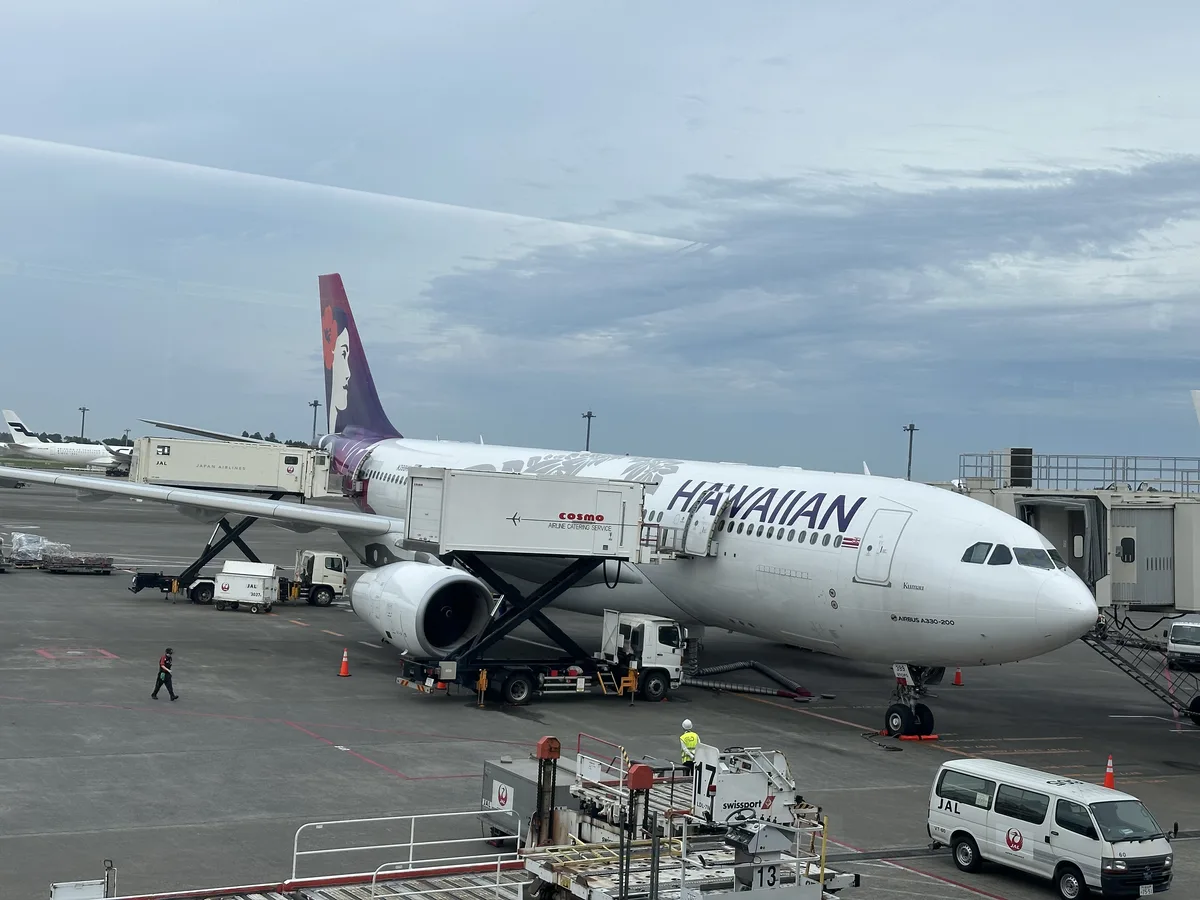
Qantas used the -200 to pioneer its Australia–US West Coast routes, including the Los Angeles–Brisbane sector at over 7,400 nm - a distance that pushed the aircraft to the edge of its certified envelope, requiring careful weight management and careful routing around Pacific weather systems. Hawaiian Airlines operated -200s on Honolulu–Sydney, another extreme mission that kept fuel planners and dispatchers occupied at both ends. AirAsia X built its long-haul low-cost network almost entirely on A330-200s, betting that the aircraft's twin-engine economics versus the 747 would make Bangkok–London viable at low fares.
The -200 is now primarily a transition aircraft: airlines are replacing their fleets with A330-900neos, A350s, and 787s. But for several years it filled a gap that no other widebody could fill at the same operating cost. Its 13,400 km range represented an incredible engineering achievement when it entered service in 1998, and it remained competitive for over two decades - a testament to how well-engineered the base A330 airframe was.